
Children experience emotions deeply, but expressing them through words doesn’t always come easily, especially in the early years. Feelings like excitement, frustration, fear, joy, or confusion often exist together, yet young children may not know how to explain them. This is where art becomes incredibly meaningful.
Understanding Emotions Through Children Art plays a vital role in early childhood education. In preschool and daycare settings, drawings, paintings, and creative activities offer a gentle and honest window into a child’s emotional world. Every color choice, shape, and line tells a story that caring educators and parents can learn to listen to.
From boosting emotional intelligence to strengthening communication skills, children’s art supports emotional development in ways that words sometimes cannot. This blog explores how preschools use art to understand emotions, why it matters for early learning, and how schools like Kids Kingdom create nurturing spaces where children feel safe to express themselves.
Understanding Emotions Through Children Art in Preschool Education
In the preschool years, children are still learning to identify and manage emotions. They may feel overwhelmed by big feelings but lack the vocabulary to express them clearly. Art offers a natural, pressure-free way for children to communicate what’s happening inside.
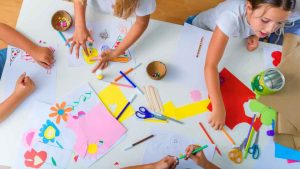
Through drawing, painting, and creative play, children can:
- Express emotions without fear of being wrong
- Process daily experiences and social interactions
- Release stress and emotional tension
- Feel seen, heard, and understood
This is why Understanding Emotions Through Children Art is considered an essential part of holistic preschool education rather than just a creative activity.
Why Emotional Development Matters in Preschool and Daycare
Emotional development is just as important as academic readiness. Children who understand their emotions are better equipped to build relationships, focus on learning, and handle challenges.
Preschools that prioritize emotional development help children:
- Develop self-confidence
- Build empathy and kindness
- Improve communication skills
- Regulate emotions in healthy ways
- Feel secure in a group environment
Art acts as a bridge between emotional growth and learning, making it a powerful tool in both preschool and daycare environments.
How Children Express Emotions Through Art
Children communicate emotions through many artistic elements, often subconsciously.
The Role of Colors in Children’s Emotional Expression
Colors are one of the most visible emotional indicators in children’s artwork.
- Bright colors like yellow, pink, and orange often reflect happiness, excitement, and energy
- Blue and green may indicate calmness, comfort, or emotional balance
- Red can express strong feelings such as excitement, anger, or frustration
- Dark colors like black or grey may reflect sadness, fear, or emotional overload
Rather than interpreting one drawing in isolation, educators observe patterns over time to better understand emotional states.
Lines, Shapes, and Drawing Pressure
The way children draw can reveal as much as what they draw.
- Light, flowing lines often suggest calmness or confidence
- Heavy or forceful strokes may indicate strong emotions or frustration
- Rounded shapes are commonly associated with comfort and safety
- Sharp or jagged shapes can reflect tension or anxiety
This observational approach supports Understanding Emotions Through Children Art without labeling or judging a child’s feelings.
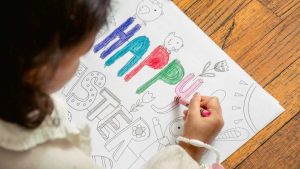
Common Themes in Children’s Artwork and What They May Indicate
Children often draw what matters most to them emotionally.
Family and Home Drawings
These may reflect feelings of security, attachment, or changes in family dynamics.
Self-Portraits
Self-drawings can offer insight into self-esteem, confidence, and identity development.
Nature, Animals, and Imaginary Characters
These themes often reflect comfort, creativity, fears, or emotional exploration especially in preschool-aged children.
Open-ended conversations such as “Tell me about your picture” help children feel safe sharing their emotions.
Understanding Emotions Through Children’s art in Daycare Settings
Daycare environments are often a child’s first experience away from home. Art helps ease this transition by offering emotional comfort and familiarity.
In daycare settings, creative activities:
- Support emotional security
- Help children adjust to routines
- Encourage peer interaction
- Reduce separation anxiety
- Build trust with caregivers
When children feel emotionally supported, they engage more confidently in learning and social play.
The Role of Teachers in Supporting Emotional Expression
Preschool teachers play a key role in guiding emotional development through art.
Best Practices for Educators
- Provide open-ended art materials
- Focus on the creative process, not perfection
- Ask gentle, non-leading questions
- Respect each child’s unique expression
What Educators Should Avoid
- Comparing children’s artwork
- Forcing interpretations
- Over-analyzing a single drawing
- Judging artistic ability
A supportive approach allows children to express emotions freely and authentically.
Understanding Emotions Through Children Art at Kids Kingdom
At Kids Kingdom Preschool and Daycare, emotional development is nurtured alongside academic learning. Art is thoughtfully integrated into the daily routine to help children express their thoughts and feelings in a safe, joyful environment. By focusing on Understanding Emotions Through Children art, Kids Kingdom the best preschool in bangalore observe, support, and encourage children’s emotional expression through free drawing, guided art activities, and creative play. This approach helps children develop emotional awareness, confidence, and empathy ensuring they feel valued, understood, and emotionally secure during their early learning years.
Art Is Expression, Not Diagnosis
It is important to understand that children’s art should never be used to diagnose emotional or behavioral concerns. A single drawing reflects a moment, mood, or experience not a conclusion.
Understanding Emotions Through Children Art is about:
- Observation over time
- Building communication
- Offering emotional support
- Creating a nurturing environment
When combined with positive guidance and open communication, art becomes a powerful emotional support tool.
Benefits of Regular Art Activities in Preschool
Consistent creative time offers long-term benefits for emotional and cognitive growth.
Regular art engagement helps children:
- Manage stress and emotions
- Improve focus and patience
- Strengthen problem-solving skills
- Build independence and confidence
Even 15–20 minutes of daily creative time can make a meaningful difference.
Observing Emotional Growth Through Art Over Time
As children grow, their artwork evolves. Educators and parents may notice:
- Increased storytelling in drawings
- Greater emotional clarity
- Improved self-confidence
- Better emotional regulation
These changes reflect healthy emotional development supported through consistent creative expression.
Conclusion: Listening to Children Beyond Words
Children may not always be able to explain how they feel but their art speaks clearly. Every drawing carries emotion, experience, and meaning.
By embracing Understanding Emotions Through Children’s art, preschools and daycare centers create emotionally safe spaces where children feel confident to express themselves. When educators and parents listen with empathy and patience, children develop the emotional foundation they need to grow into confident, compassionate learners.
At its heart, children’s art is not just creativity, it is communication. And when we truly listen, we help children feel understood, supported, and valued.