

Introduction
Does your child lose interest in an activity within minutes, get distracted during storytime, or jump from one toy to another? You are not alone. Many parents notice these behaviours during the preschool years. Learning how to improve the attention span of a child starts with understanding that attention is a skill children develop with the right support, patience, and everyday activities. From creating a calm learning space to introducing playful tasks, small changes can help children gradually learn to focus for longer periods. Preschool also plays an important role in building these habits through stories, games, creative activities, and group learning. At Kids Kingdom, children get opportunities to explore, learn, and practise concentration in a supportive environment. If you are beginning your child’s preschool journey, understanding how to improve the attention span of a child can help you make learning more enjoyable at home and school.
Understand Your Child’s Attention Span Before Trying to Improve It
Before introducing activities to improve concentration, it helps to understand what is normal for your child’s age. Young children are naturally curious, energetic, and easily attracted to new things. Expecting a toddler to sit still for a long time may lead to frustration for both the child and the parent.
What affects a child’s attention span?
- Age and developmental stage
A child’s ability to concentrate changes as they grow. Toddlers usually move quickly between activities, while preschoolers gradually become better at listening, following instructions, and completing simple tasks. Every child develops at a different pace, so avoid comparing your child with others.
- Interest in the activity
Children are more likely to concentrate when they enjoy what they are doing. A child who loves building blocks may spend a long time creating a tower but lose interest quickly in a worksheet. Start with activities your child finds exciting and gradually introduce new challenges.

- Sleep and rest
A tired child may find it difficult to listen, follow instructions, or stay engaged. A consistent bedtime and age-appropriate sleep routine can support attention, mood, and learning. If your child seems tired throughout the day, review their sleep habits and discuss persistent concerns with a healthcare professional.
- Hunger and physical comfort
Hunger, thirst, discomfort, or the need to move can affect concentration. Offer regular meals, healthy snacks when needed, and water throughout the day. Young children also need opportunities to move around rather than being expected to remain seated for long periods.
- The surrounding environment
Television sounds, mobile phones, clutter, and frequent interruptions can make it harder for children to focus. A quieter space with fewer distractions can help your child understand what they are expected to do.
Understanding these factors helps parents set realistic expectations. Instead of asking a child to concentrate for too long, focus on helping them enjoy an activity and complete small tasks at their own pace.
Five Everyday Habits That Help Children Concentrate Better
Improving attention does not always require special toys or complicated learning methods. Simple daily habits can make a meaningful difference when practised consistently.
1. Establish a predictable daily routine
Children often feel more comfortable when they know what comes next. A predictable routine for waking up, eating, playing, learning, and sleeping helps them prepare for different activities.
For example, you could set aside time for breakfast, outdoor play, a short learning activity, lunch, rest, and evening play. The routine does not need to be strict. The goal is to create a familiar rhythm that helps children move from one activity to another without unnecessary stress.
2. Break activities into smaller tasks
A large task may feel overwhelming to a young child. Instead of asking your child to clean an entire room, start by asking them to put the blocks into a box. Once that is complete, move on to the next task.
The same approach works for learning. If your child is colouring a picture, encourage them to finish one small section before taking a break. Completing manageable tasks gives children a sense of achievement and helps them practise staying with an activity.
3. Encourage one activity at a time
Children may struggle to concentrate when several things compete for their attention. Keep the television switched off during storytime and put away toys that are not being used.
When your child is playing with a puzzle, allow them to focus on the puzzle rather than introducing another activity immediately. Gradually, they can learn to give one task their attention before moving on to something else.
4. Give clear and simple instructions
Young children may find it difficult to remember several instructions at once. Instead of saying, “Put your toys away, wash your hands, get your bag, and come for lunch,” break the directions into smaller steps.
Use simple sentences and allow your child time to respond. You can also ask them to repeat the instruction in their own words. This encourages listening and helps you understand whether they have understood what to do.
5. Appreciate effort rather than perfection
Children need encouragement when they are learning new skills. Praise your child for trying, completing a puzzle, listening to a story, or returning to an activity after becoming distracted.
You might say, “You kept trying until you finished that puzzle!” This tells your child that effort matters. Avoid making every activity a competition or expecting perfect results, as too much pressure can make learning less enjoyable.
Fun Activities That Naturally Improve a Child’s Attention Span
Children learn best when they can participate actively. Play provides opportunities to practise listening, observing, remembering, solving problems, and following instructions without making concentration feel like a chore.
Here are some activities parents can introduce at home.

Play games that require listening
Simon Says: Give your child simple instructions such as touching their nose, clapping their hands, or standing on one foot. Ask them to follow the instruction only when you say “Simon says.” This helps develop listening skills and the ability to pause before acting.
Freeze dance: Play a favourite song and encourage your child to dance. When the music stops, they must freeze. The game encourages children to listen for changes, control their movements, and respond to a signal.
Follow the leader: Take turns leading movements such as hopping, marching, or stretching. Your child must watch carefully and copy the actions. You can gradually introduce short sequences to encourage memory and attention.
Introduce puzzles and building activities
Puzzles, building blocks, and matching games encourage children to focus on details and work towards a goal.
- Jigsaw puzzles: Begin with puzzles suited to your child’s age and gradually introduce more challenging ones.
- Building blocks: Ask your child to build a bridge, tower, or house. Following a simple design can encourage planning and concentration.
- Sorting games: Let your child group objects by colour, shape, size, or type. This helps them notice differences and similarities.
- Memory cards: Place a few matching cards face down and ask your child to find pairs. Start with a small number of cards and increase them as the game becomes easier.
- Pattern activities: Create a simple pattern using coloured blocks and ask your child to continue it. This encourages observation and logical thinking.
Remember that the aim is not to keep your child busy for as long as possible. Choose activities that match their abilities and allow them to enjoy the process.
Make reading a daily habit
Storytime is a wonderful way to encourage children to pay attention. Choose colourful picture books with short stories, familiar characters, and engaging illustrations.
Pause occasionally to ask questions such as, “Where did the little rabbit go?” or “What do you think will happen next?” Let your child point to pictures, describe what they see, or imitate the characters.
For younger children, even five minutes of shared reading can be a useful starting point. As your child becomes more interested, gradually extend the time. Avoid turning every story into a test. Reading should feel like a warm, enjoyable experience rather than another task to complete.
Encourage creative play
Drawing, colouring, painting, clay modelling, and simple craft activities allow children to focus on what they are creating. These activities also encourage hand-eye coordination and problem-solving.
Offer a few age-appropriate materials and let your child decide what to make. You could ask them to draw their favourite animal or create a house using paper and crayons. Give them enough time to explore without correcting every little detail.
Creative activities are especially useful because children can make choices, experiment, and learn through trial and error. These experiences help build confidence and encourage them to return to activities they enjoy.
How Parents Can Create an Environment That Supports Better Focus
A child’s surroundings can either support concentration or make it harder to maintain. A few thoughtful changes at home can help children feel more comfortable during play and learning.
Create a dedicated learning corner
You do not need a separate room or expensive furniture. A small table, a comfortable chair, and a basket of books or crayons can be enough. Keep the area organised and place frequently used materials within your child’s reach.
A familiar learning corner helps children understand when it is time for a quiet activity. At the same time, make sure they have enough space elsewhere to move, play, and explore freely.

Reduce screen-related distractions
Fast-moving videos and frequent changes between digital content may make slower activities seem less exciting to some children. Screen habits vary in their effects, but it is helpful to avoid using screens as the main way to keep a child occupied.
Instead, offer books, pretend play, outdoor games, and hands-on activities. Keep meals and bedtime routines as screen-free as possible, and follow age-appropriate screen-time guidance. For children under five, prioritise sleep, movement, and interaction with adults over passive screen use.
Allow enough time for outdoor play
Running, jumping, climbing, and exploring help children use their energy and develop physical skills. Outdoor play also provides opportunities to observe nature, listen to different sounds, and notice changes in their surroundings.
A simple nature walk can become a concentration activity. Ask your child to find three yellow flowers, listen for birds, or notice different shapes of leaves. These small challenges encourage observation without requiring children to sit still.
Keep toys organised and manageable
When too many toys are available at once, children may move from one object to another without exploring any of them deeply. Try keeping a smaller selection accessible and rotating toys every few days.
For example, one week you might offer blocks, picture books, and pretend-play items. The next week, introduce puzzles and art materials. This can renew your child’s interest while making playtime easier to organise.
Be a good example of focused behaviour
Children often learn by observing adults. If you constantly check your phone while speaking to your child, they may find it harder to understand why they should give someone their full attention.
Try putting your phone aside during conversations, listening without interrupting, and finishing small tasks before moving to another one. When reading, cooking, gardening, or arranging objects together, explain what you are doing and invite your child to participate.
The Role of Preschool in Developing a Child’s Attention Span
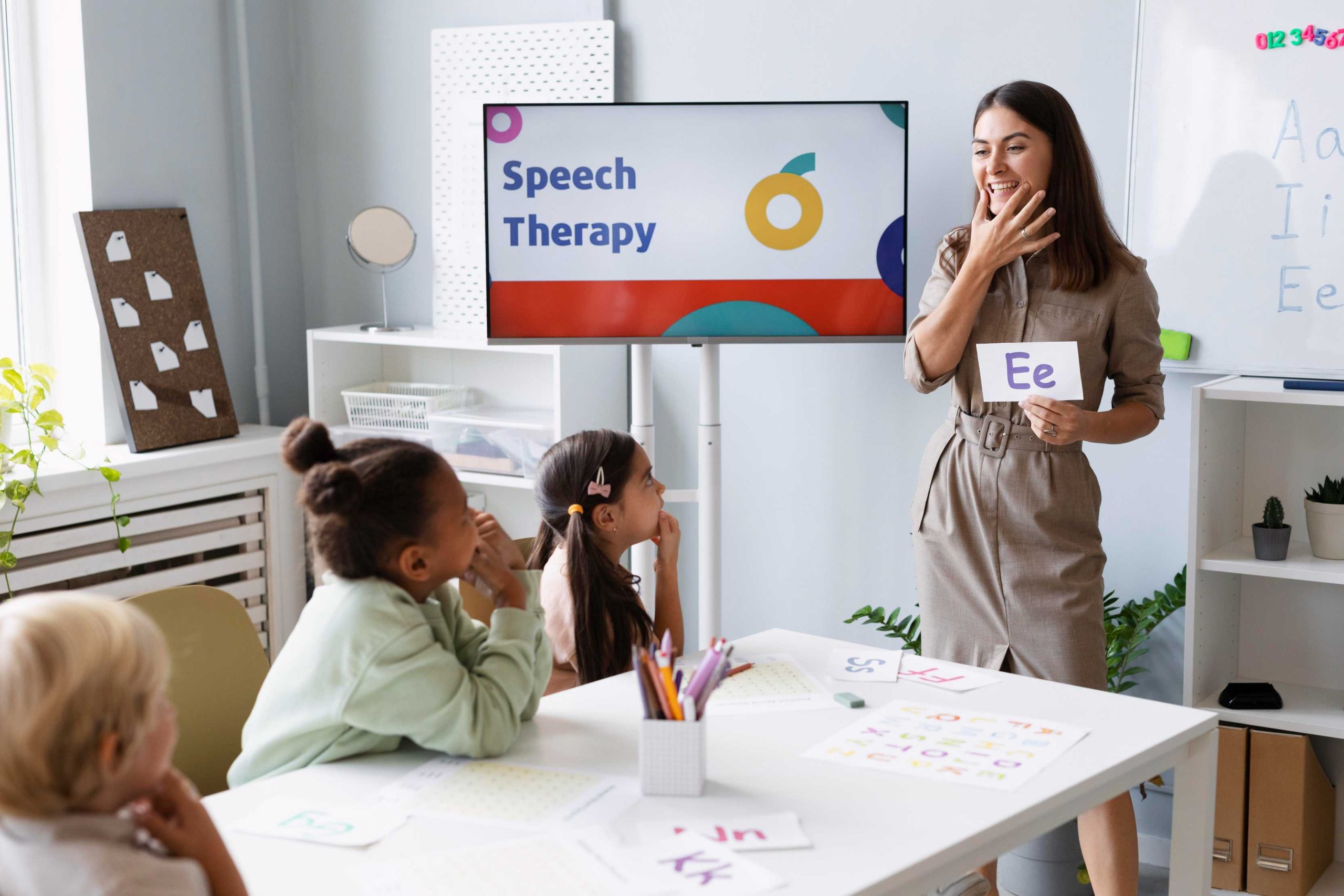
Preschool introduces children to a wider range of learning experiences beyond the home. It also gives them opportunities to practise listening, waiting, sharing, following routines, and participating in group activities.
How preschool activities support concentration
- Circle time and group discussions
During circle time, children listen to stories, sing songs, answer questions, and learn to take turns speaking. These activities help them practise paying attention to a teacher and responding when it is their turn.
- Structured play and hands-on learning
Activities involving blocks, puzzles, art materials, and simple experiments give children opportunities to explore a task from beginning to end. Teachers can adjust the activity to match each child’s interests and abilities.
- Learning through music and movement
Action songs, rhythm games, and movement activities encourage children to listen for instructions and respond at the right time. They also allow children who find long periods of sitting difficult to participate actively.
- Social interaction with other children
Group play teaches children to listen to their friends, share materials, wait for turns, and work towards a common goal. These social experiences can strengthen attention and self-regulation over time.
- Consistent routines and gentle guidance
Familiar classroom routines help children understand what is expected during different parts of the day. Teachers can use simple instructions, visual cues, encouragement, and short transitions to help children move between activities.

Why Kids Kingdom is a top choice for Nursery in Bangalore
Choosing a preschool is an important step in your child’s early learning journey. Kids Kingdom is a top choice for Nursery in Bangalore for families looking for an environment where young children can learn through play, exploration, and meaningful interaction. A supportive preschool experience gives children opportunities to participate in age-appropriate activities, listen to stories, explore creative materials, and build relationships with teachers and classmates. These experiences can help children gradually develop the skills needed for classroom participation, including listening, following simple instructions, and completing small tasks. Parents who want to understand how to improve the attention span of a child can look for a nursery that offers engaging activities, encourages curiosity, and provides opportunities for focused play. Parents beginning their preschool search can consider how a nursery balances guided learning with free play, supports individual developmental needs, and communicates with families about a child’s progress.
Common Mistakes to Avoid When Improving a Child’s Attention Span
Parents naturally want their children to learn and develop new skills. However, trying too hard to improve concentration can sometimes make activities stressful. A gentle, consistent approach is usually more helpful.
1. Expecting children to sit still for too long
Young children need movement and frequent changes in activity. Asking them to sit through long lessons may leave them restless and frustrated. Start with short activities and allow movement breaks between them.
2. Comparing your child with others
One child may enjoy puzzles, while another prefers drawing or pretend play. Their attention skills can develop differently depending on age, temperament, interests, and experience. Focus on your child’s own progress instead of comparing them with siblings or classmates.
3. Using punishment for distraction
A child who loses focus is not necessarily being disobedient. They may be tired, confused, overstimulated, or simply not ready for a particular task. Calmly redirect their attention and make the activity easier if necessary.
4. Scheduling too many structured activities
Children benefit from learning opportunities, but their day should not be filled with worksheets, classes, and instructions. Free play gives them time to explore ideas independently, make choices, and practise skills without constant adult direction.
5. Ignoring signs that additional support may be needed
Occasional distraction is common in childhood. However, if your child consistently struggles to follow age-appropriate instructions, participate in everyday activities, or engage across different settings, discuss your concerns with a paediatrician or qualified child-development professional. They can assess whether factors such as sleep difficulties, hearing or vision concerns, developmental differences, or other needs may be affecting attention.
An attention difficulty alone does not mean a child has ADHD or another condition. A professional assessment considers the child’s overall development and behaviour in different settings.
Conclusion
A child’s attention span does not improve overnight, and it cannot be developed through constant reminders or pressure. It grows through everyday experiences that make learning feel safe, interesting, and achievable. Short activities, regular routines, outdoor play, shared reading, and encouraging words can all help children practise focusing at their own pace. Parents also play an important role by reducing distractions, allowing enough rest, and celebrating effort rather than expecting perfection. As children begin preschool, supportive teachers and engaging classroom activities can help them develop listening skills, independence, and confidence. Kids Kingdom is a top choice for Nursery in Bangalore for families exploring a supportive beginning to their child’s learning journey. With patience and the right environment, children can gradually learn to stay engaged, enjoy new experiences, and approach learning with greater confidence. Every small step forward is worth celebrating.