
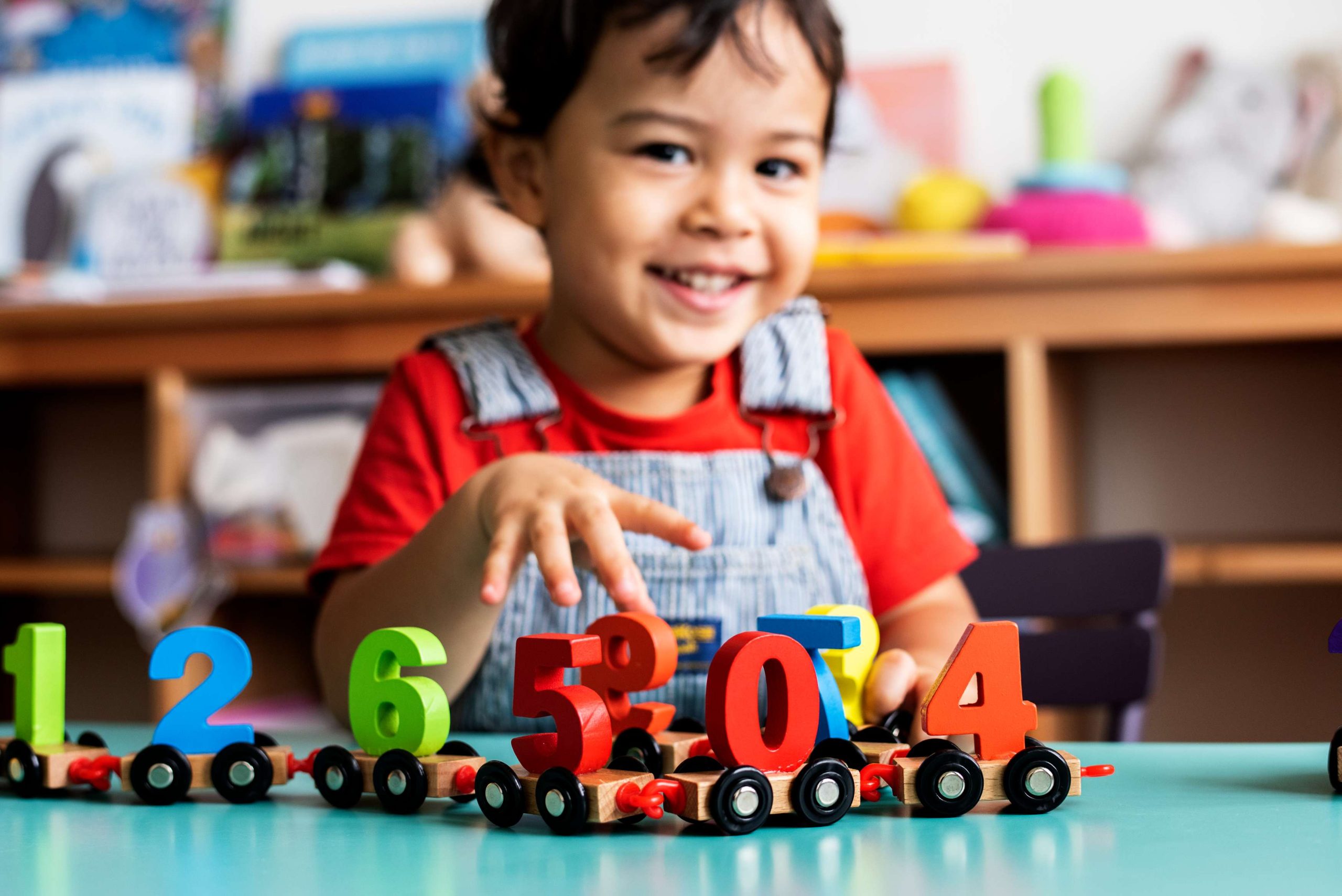
How to Teach Numbers to Kids in Preschool?
Introduction
Every parent looks forward to the day their little one starts recognizing numbers, counting objects around them, and proudly saying, “I know this number!” These small moments are more than just milestones. They are the first building blocks of a child’s learning journey. Before children begin solving maths problems in school, they need to understand what numbers mean, how they are used in everyday life, and why counting is important. The good news is that teaching numbers does not have to feel like a lesson. In fact, children learn best when they are having fun.
If you are wondering how to teach numbers to kids in preschool, the answer lies in making learning playful, interactive, and part of everyday life. Preschool is the perfect time to introduce numbers because young children are naturally curious. They love sorting toys, stacking blocks, counting steps, and asking questions about everything they see. Parents and teachers can use these everyday moments to make number learning simple, engaging, and exciting. Instead of memorising numbers, children should be encouraged to understand them through play, movement, songs, stories, and hands-on activities.
Choosing the right preschool also plays a big role in helping children develop early maths skills. A nurturing learning environment allows children to explore numbers at their own pace while building confidence and enjoying the process. Kidskingdom, recognised by many families as a top choice for preschool in Bangalore, believes that children learn best through play-based experiences, creative activities, and interactive classrooms. Rather than focusing only on worksheets, the school encourages children to discover numbers through meaningful experiences that make learning enjoyable.
Whether your child is just beginning to count or is already recognising a few numbers, this guide will help you understand how to teach numbers to kids in preschool through practical activities at home while also explaining how preschool learning experiences support early numeracy skills. By making learning enjoyable from the very beginning, you can help your child develop a strong foundation that will support them throughout their academic journey.
Why Is It Important to Teach Numbers During Preschool?
Learning numbers is much more than simply counting from one to ten. It helps children understand the world around them and prepares them for future learning. Here are some of the biggest reasons why early number learning matters.
Teaching numbers during the preschool years does much more than prepare children for maths classes. It helps them develop thinking skills, confidence, and practical abilities they will use every day. Understanding how to teach numbers to kids in preschool through fun, interactive experiences gives children a strong start in their learning journey.
1. Builds a Strong Foundation for Mathematics
Children who understand numbers from an early age find it much easier to learn addition, subtraction, patterns, measurement, and problem-solving as they grow. Instead of simply memorising answers, they develop a clear understanding of how numbers work and how they relate to everyday situations. This strong foundation makes future maths lessons less stressful, more meaningful, and enjoyable.
2. Improves Thinking and Problem-Solving Skills
Number-based activities encourage children to compare, sort, match, and organise objects while developing logical thinking. Simple questions such as, “Which basket has more apples?” or “Can you find three blue blocks?” help children observe, analyse, and make decisions. These critical thinking skills benefit not only mathematics but also language, science, and everyday learning.
3. Develops Everyday Life Skills
Numbers are part of a child’s daily routine, often without them even realising it. They count toys while cleaning up, biscuits during snack time, steps while climbing, and even notice house numbers, bus numbers, and prices while shopping with their parents. Learning how to teach numbers to kids in preschool through these everyday experiences helps children understand that numbers have real-life meaning and encourages greater independence.
4. Improves Memory and Concentration
Fun activities such as counting songs, matching games, puzzles, number hunts, and sorting exercises encourage children to pay attention and stay focused for longer periods. As they remember number sequences and complete simple counting challenges, their memory and concentration naturally improve. These skills also support language development, classroom participation, and overall academic readiness.
5. Builds Confidence Before Starting School
Children who recognise basic numbers before entering preschool often feel more confident in the classroom. They participate more actively in group activities, enjoy learning with their classmates, and are willing to try new challenges. This early confidence creates a positive attitude towards education and motivates children to continue exploring and learning throughout their preschool years.
Signs Your Child Is Ready to Learn Numbers
Every child learns at their own pace. There is no perfect age to begin, but there are several signs that show your little one is ready to explore numbers.
They enjoy counting objects
If your child naturally counts toys, crayons, blocks, or fruits, it shows they are beginning to understand numbers.
They notice numbers around them
Children may point to numbers on clocks, calendars, elevators, vehicles, or signboards and ask questions about them.
Curiosity is always a good sign.
They enjoy rhymes and songs
Many preschool songs include counting. If your child enjoys singing along, they are already becoming familiar with number sequences.
They like sorting and matching
Children who enjoy arranging toys by size, colour, or shape are developing important pre-maths skills.
These activities prepare them for understanding numbers and quantities.
They ask “How many?”
Questions like “How many chocolates are there?” or “How many birds can you see?” show that children are beginning to understand quantity.
This curiosity should be encouraged through fun conversations.
Number Learning Milestones in Preschool
| Age Group | What Children Usually Learn | Activities That Help |
| 2 to 3 years | Recognise a few numbers and begin counting by listening | Counting songs, finger play, picture books |
| 3 to 4 years | Count objects up to 10 and recognise several written numbers | Building blocks, sorting games, number flashcards |
| 4 to 5 years | Match numbers with quantities and understand simple comparisons | Number puzzles, hopscotch, counting toys |
| 5 to 6 years | Count beyond 20, identify patterns, begin simple addition | Board games, classroom activities, storytelling with numbers |
It is important to remember that these milestones are only general guidelines. Every child develops differently, and progress depends on regular practice, encouragement, and a positive learning environment rather than speed.
How Preschool Makes Number Learning Easy

A good preschool understands that how to teach numbers to kids in preschool is not about making children sit through long lessons or memorise numbers from books. Young children learn best by exploring, asking questions, moving around, and engaging in hands-on activities that make learning enjoyable.
In a preschool classroom, number learning becomes part of everyday play. Children count blocks while building towers, identify numbers during circle time, sing counting songs, match objects, complete simple puzzles, and participate in fun group games. Teachers also use colourful learning materials, storybooks, outdoor activities, and creative art projects to introduce number concepts in ways that capture children’s attention and curiosity.
This play-based approach helps children understand numbers rather than simply memorising them. It improves their memory, problem-solving abilities, communication skills, and confidence while making learning a positive experience. Since children are actively involved in the activities, they retain concepts for a longer time and develop a genuine interest in mathematics.
One of the reasons many parents consider Kidskingdom a top choice for preschool in Bangalore is its balanced approach to early childhood education. The school combines structured learning with creative play, allowing children to explore numbers through meaningful experiences while building confidence, curiosity, and a strong foundation for future learning.
10 Fun and Easy Ways to Teach Numbers to Kids in Preschool
Young children learn best when they can see, touch, move, and play. Instead of making number learning feel like a classroom lesson, parents can turn everyday activities into exciting learning experiences. Here are ten practical ways to teach numbers while keeping your child engaged.
1. Count Everyday Objects
The easiest way to introduce numbers is by counting things your child already sees around the house.
You can count:
- Toys while cleaning up.
- Apples or bananas in the fruit basket.
- Shoes kept near the door.
- Pillows on the sofa.
- Flowers in the garden.
The more often children hear and use numbers in real-life situations, the more naturally they begin to understand them. Repetition through everyday routines helps children remember numbers without feeling like they are studying.
2. Sing Number Rhymes and Songs
Music is one of the most effective ways to help preschoolers remember concepts. Number rhymes combine rhythm, movement, and repetition, making learning enjoyable.
Some popular counting songs include:
- One, Two, Buckle My Shoe
- Five Little Ducks
- Five Little Monkeys
- Ten in the Bed
- Five Speckled Frogs
As children sing along, they begin to recognise number order, improve memory, and understand counting in a playful way.
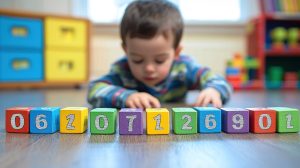
3. Play with Building Blocks
Building blocks are not just for construction. They are excellent learning tools for early maths.
Ask your child to:
- Build a tower with five blocks.
- Count each block while stacking.
- Compare which tower is taller.
- Group blocks by colour and count each group.
- Remove one block and count again.
These activities introduce counting, comparison, sequencing, and problem-solving all at once.
4. Read Number Storybooks
Storybooks make learning more meaningful because children connect numbers with interesting characters and colourful illustrations.
Choose books that include counting objects, animals, fruits, or everyday items. Pause while reading and ask your child questions like:
- How many birds do you see?
- Can you count the balloons?
- Which page has more flowers?
Interactive reading encourages observation while strengthening both language and number skills.
5. Use Flashcards the Right Way
Flashcards should be used as games rather than tests.
Try activities such as:
- Matching numbers with objects.
- Arranging cards from the smallest to the largest number.
- Finding a specific number.
- Hiding a card and asking which number is missing.
- Pairing number cards with picture cards.
Keeping the activities playful prevents children from losing interest.
6. Introduce Number Puzzles
Simple puzzles help children recognise number shapes while improving concentration.
Number puzzles also develop:
- Hand-eye coordination.
- Logical thinking.
- Memory.
- Fine motor skills.
- Confidence through independent problem-solving.
Start with puzzles that have large, colourful pieces suitable for preschoolers.
7. Draw and Trace Numbers
Before children can write numbers independently, they should become comfortable tracing them.
Use different materials to make tracing fun.
Examples include:
- Sand trays.
- Flour spread on a plate.
- Finger painting.
- Chalk on the floor.
- Crayons on worksheets.
This strengthens finger muscles and prepares children for writing later.
8. Play Outdoor Number Games
Learning becomes even more exciting when children can move around.
Simple games include:
- Hopscotch with numbers.
- Number treasure hunts.
- Counting leaves in the park.
- Jumping a certain number of times.
- Throwing a ball and counting each catch.
Physical movement helps children stay engaged while improving coordination.
9. Involve Children in Daily Household Activities
Daily routines provide endless opportunities to practice counting.
Ask your child to:
- Count spoons while setting the table.
- Count clothes while folding laundry.
- Count vegetables while cooking.
- Count books before arranging them.
- Count toys before bedtime.
These practical activities help children understand that numbers are useful in everyday life.
10. Celebrate Every Small Achievement
Children thrive on encouragement.
Instead of focusing on mistakes, celebrate every success.
Praise efforts such as:
- Recognising a new number.
- Counting correctly.
- Trying independently.
- Participating in games.
- Asking questions.
Positive reinforcement builds confidence and encourages children to keep learning.
Everyday Activities That Naturally Build Number Skills
Parents often think they need special teaching materials to introduce numbers. In reality, some of the best learning opportunities happen during ordinary moments. Here are simple daily activities that help preschoolers understand numbers naturally.
Grocery Shopping
Ask your child to place five apples into the shopping basket or count the number of oranges. This improves counting and object recognition while making shopping more interactive.
Cooking Together
Cooking introduces numbers in practical ways. Children can count ingredients, spoons, cups, or biscuits while learning that numbers have real-life uses.
Climbing Stairs
Count every step together while climbing. Over time, children begin recognising number order and become familiar with counting sequences.
Gardening
Children can count flowers, leaves, seeds, or small pots. Gardening also teaches observation and patience alongside number recognition.
Cleaning Up Toys
Instead of simply asking children to tidy up, encourage them to count each toy as they put it away. This turns an everyday responsibility into a learning opportunity.
Common Mistakes Parents Should Avoid While Teaching Numbers
Sometimes, parents unknowingly make number learning stressful. Avoiding these common mistakes can help children develop a positive attitude towards learning.
Expecting Children to Learn Too Quickly
Every child develops differently. Comparing your child with others can create unnecessary pressure. Allow them to learn at their own pace and celebrate steady progress.
Focusing Only on Memorising Numbers
Children should understand what numbers represent rather than simply reciting them. Counting five toys is more meaningful than memorising the number five without context.
Making Learning Feel Like Homework
Preschool children learn best through play. Long study sessions can reduce interest and enthusiasm. Keep activities short, interactive, and enjoyable.
Correcting Every Small Mistake
Mistakes are a natural part of learning. Instead of pointing out every error, gently guide your child towards the correct answer and appreciate their effort.
Ignoring Everyday Learning Opportunities
Parents often wait for dedicated study time, but learning can happen during walks, meals, shopping trips, or playtime. Everyday experiences are some of the best teachers.
Why Kidskingdom Is a Top Choice for Daycare in Bangalore
When parents are choosing a daycare or preschool, they want much more than a safe place for their child. They want an environment that supports How to Teach Numbers to Kids in Preschool through fun, engaging, and meaningful learning experiences. Kidskingdom has become a top choice for daycare in Bangalore because it combines quality early education with a caring and nurturing atmosphere. The experienced teachers understand that every child learns differently and encourage children to explore at their own pace through play-based activities, storytelling, music, art, sensory experiences, and interactive games.
At Kidskingdom, How to Teach Numbers to Kids in Preschool is approached through hands-on experiences rather than being limited to books and worksheets. Number learning is introduced naturally through everyday classroom routines, helping children recognise, count, compare, and use numbers in real-life situations. Children are encouraged to ask questions, solve simple problems, and participate in engaging activities that build confidence from the very beginning.
Along with developing early academic skills, Kidskingdom focuses on communication, creativity, social interaction, emotional growth, and independence, ensuring that children are well prepared for their future school journey. This balanced, play-based approach is one of the many reasons why families continue to consider Kidskingdom a trusted top choice for preschool in Bangalore. By understanding How to Teach Numbers to Kids in Preschool in an enjoyable and child-friendly way, children develop a strong mathematical foundation while building confidence and a lifelong love for learning.
Conclusion
Learning how to teach numbers to kids in preschool is not about making children memorise counting from one to ten as quickly as possible. It is about helping them understand that numbers are a part of everyday life. Whether they are counting toys before bedtime, sharing snacks with a friend, climbing stairs, or spotting numbers on a calendar, every small activity becomes a valuable learning opportunity. When children learn through play, stories, songs, movement, and hands-on experiences, they develop a positive attitude towards learning that stays with them as they grow.
As a parent, your encouragement and involvement make a huge difference. You do not need expensive learning materials or long study sessions to teach numbers effectively. A few minutes of fun every day, combined with patience and positive reinforcement, can help your child build confidence and enjoy discovering new concepts. Remember that every child learns at their own pace. Some may recognise numbers quickly, while others may need a little more time and practice. The goal is not to rush the process but to make learning enjoyable, meaningful, and rewarding.
Starting this journey with the right preschool can make all the difference. A supportive environment where children are encouraged to explore, ask questions, and learn through play helps them develop strong early numeracy skills along with confidence, creativity, and curiosity. That is why many parents consider Kidskingdom a top choice for preschool in Bangalore. With its child-friendly learning approach, experienced educators, engaging activities, and focus on holistic development, Kidskingdom ensures that every child enjoys a happy and enriching start to their educational journey.
If you are looking for a preschool that nurtures curiosity while building essential academic and life skills, Kidskingdom provides the perfect environment for young learners. From interactive number games and creative classroom experiences to personalised attention and a caring atmosphere, every aspect of the learning journey is thoughtfully designed to support your child’s growth. It is this commitment to quality early education that makes Kidskingdom not only a top choice for preschool in Bangalore but also a trusted partner for families who want the very best start for their children.
By understanding how to teach numbers to kids in preschool through fun, everyday experiences and choosing a learning environment that encourages exploration, you are giving your child the confidence and skills they need to succeed in school and beyond. Every number learned, every activity completed, and every achievement celebrated becomes a stepping stone towards a bright and successful future.