
In today’s fast-moving digital world where children swipe screens before they learn to hold a pencil it’s easy to overlook the quiet, deep power of traditional learning. Yet, the truth is simple: the strongest foundations of early childhood education still come from timeless methods that shaped generations before us.
Traditional learning methods carry warmth, rhythm, and human connection. They don’t rely on gadgets or expensive tools, just imagination, interaction, routine, and the simple joy of discovery. These methods help children build emotional strength, social awareness, and intellectual readiness in ways that technology alone cannot match.
Let’s explore how these classic learning approaches continue to enrich early childhood education and why they remain relevant even today.
Traditional Learning Methods -Learning Through Play
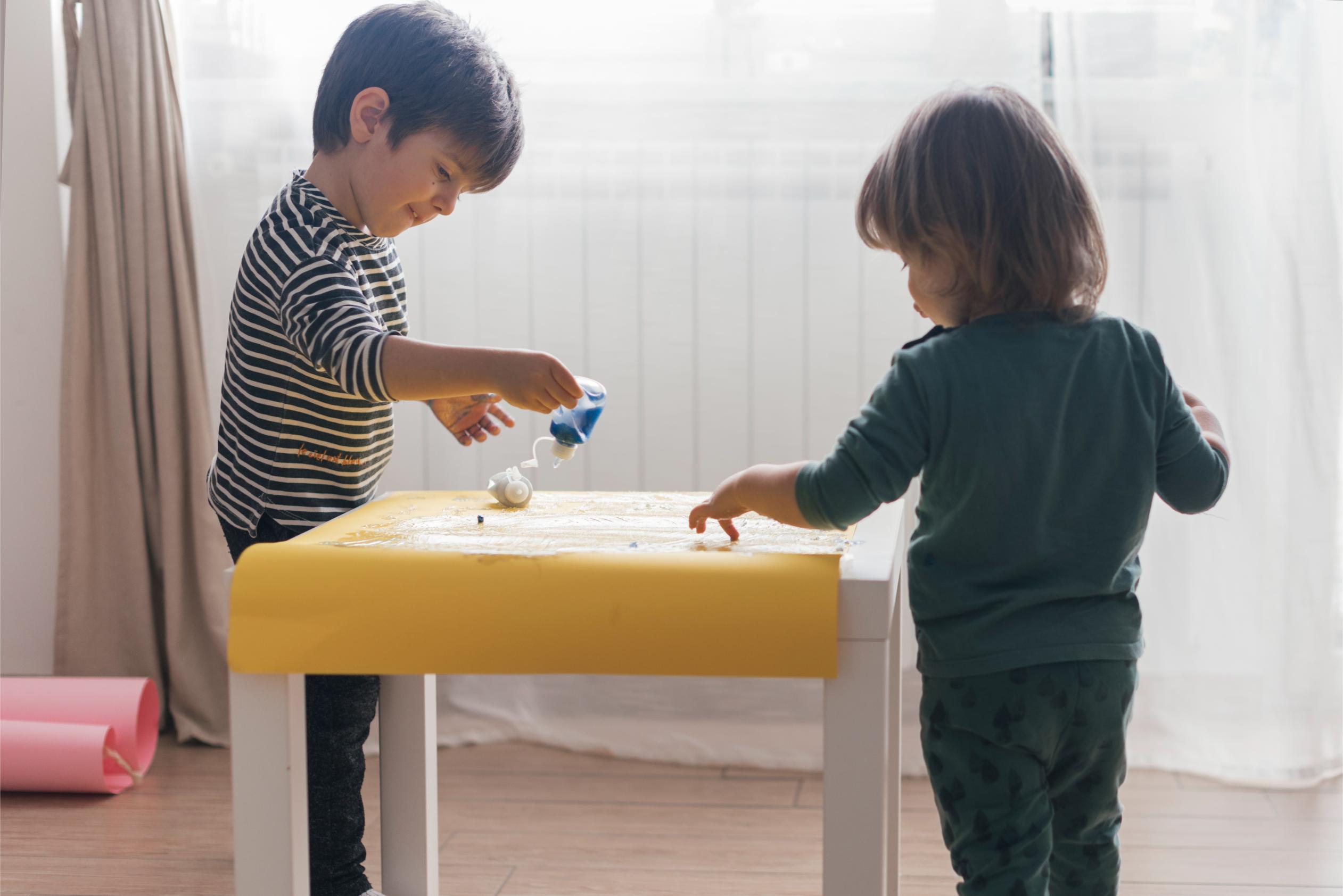
Play has always been a child’s first form of learning. Long before structured classrooms, children explored their world through movement, touch, and imagination.
Traditional play-based learning helps build:
- Creativity and imagination
- Motor skills and coordination
- Social skills like sharing and communication
- Curiosity and problem-solving
From building blocks and clay to role-play and puzzles, play teaches children the basics of life in the most natural way.
The Magic of Storytelling
Storytelling is one of the oldest and most powerful teaching methods. Whether it’s a grandmother’s tale or a teacher’s animated narration, stories spark imagination while teaching values and language.
Benefits include:
- Strong vocabulary development
- Better listening and comprehension
- Emotional bonding
- Enhanced creativity
- Understanding morals and cultural values
Stories bring learning to life, making lessons memorable and meaningful.
Rhymes, Songs & Cultural Verses: Learning with Rhythm
Traditional rhymes and songs have been passed down for decades and for good reason. Their rhythm and repetition help children learn naturally.
They support:
- Speech development
- Sound and rhythm recognition
- Memory enhancement
- Confidence through repetition
Songs and rhymes turn learning into a joyful melody.
Hands-On Exploration: Learning by Touching and Doing
In early childhood, the senses are the strongest tools for learning. Traditional methods encourage children to explore through hands-on experiences like:
- Sand and water play
- Clay modelling
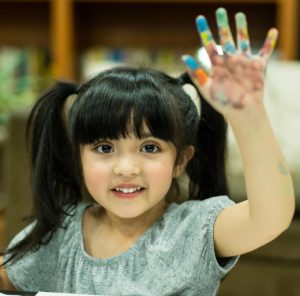
- Drawing and coloring
- Nature walks
- Craft activities
These experiences build motor skills, sensory awareness, patience, and creativity.
Routines & Discipline: Creating Security and Stability
Traditional Learning Methodsplaces strong emphasis on routines something children instinctively thrive on. Predictable schedules and simple, consistent rules help them feel safe and prepared.
This builds:
- Emotional security
- Self-discipline
- Time awareness
- Organizational habits
A stable routine shapes confident and responsible young learners.
Group Learning & Social Interaction
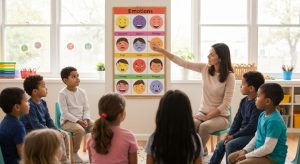
Before online classes and virtual study groups, traditional classrooms taught children the importance of cooperation.
Group activities support:
- Patience and turn-taking
- Empathy and understanding
- Teamwork
- Communication skills
These interactions prepare children for real-life social situations long before academics come into play.
Nature-Based Learning: The Original Classroom
Nature has always been one of the richest learning environments. Traditional early education often involved outdoor play, garden time, or simply observing natural elements.
This type of learning helps children:
- Build curiosity
- Develop sensory awareness
- Strengthen physical health
- Understand the natural world
Fresh air, open spaces, and natural textures offer experiences no screen can match.
Human Connection: The Heart of Traditional Teaching
Traditional learning thrives on personal bonds, eye contact, warmth, voice tone, and emotional presence.
A supportive teacher-child relationship helps children:
- Feel safe and valued
- Strengthen communication
- Build trust and confidence
- Learn with emotional security
Technology can teach concepts, but only humans can teach empathy and belonging.
Kids Kingdom: Blending Traditional Learning with Modern Excellence
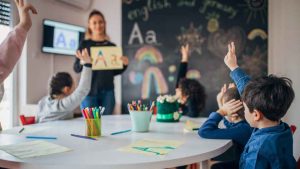
At Kids Kingdom, traditional learning isn’t treated as old-fashioned, it’s celebrated as the heart of early childhood development. The school beautifully blends time-tested teaching practices with modern educational techniques and Traditional Learning Methods,creating a balanced and nurturing learning environment.
Kids Kingdom integrates:
- Storytelling circles
- Rhyme-time and cultural songs
- Hands-on sensory activities
- Structured routines
- Teacher-led interactive sessions
- Nature-based play
- Group interaction and value-based learning
Here, children learn to express, explore, imagine, and grow at their natural pace. Every classroom feels warm, personal, and thoughtfully designed to support emotional, social, and cognitive development.
By holding onto traditional values while embracing modern tools, Kids Kingdom the top preschool in bangalore ensures that children receive the best of both worlds strong foundational skills complemented by today’s innovative learning experiences.
Final Thoughts
Traditional Learning Methods may be simple, but they are powerful.They connect children to culture, rhythm, nature, stories, and real human relationships. These foundations shape young minds, strengthen character, and build lifelong learners.
Even in a tech-driven world, the roots of early childhood education remain beautifully traditional and when combined with today’s modern techniques, they create a balanced, joyful, and impactful learning journey.