

Introduction
A child’s day is filled with little discoveries, new experiences, playtime, learning and plenty of questions. But have you ever noticed how children feel more comfortable when they know what comes next? Whether it is waking up, having breakfast, going to preschool, enjoying playtime or getting ready for bed, familiar daily activities give children a sense of comfort and security. This is where routines become important. During early childhood, regular routines help children understand their surroundings, develop independence and build healthy habits that support their overall growth. They also make everyday activities easier for parents and caregivers.
For parents starting their preschool journey, understanding the importance of routine in early childhood can help create a positive learning environment at home and school. A well-planned routine does not mean following a strict timetable. Instead, it gives children a healthy balance of learning, rest, play and exploration while allowing them to enjoy their childhood.
Why Are Routines Important During Early Childhood?
Early childhood is an important stage when children begin developing habits, understanding their emotions and learning how to interact with the world around them. Having a regular routine helps make this learning process easier.

1. Creates a Sense of Security
Young children feel more comfortable when they know what to expect. Following familiar activities every day helps them understand how their day will progress. For example, when children know that breakfast is followed by getting dressed and going to preschool, they gradually become comfortable with these activities. This predictability reduces uncertainty and helps them feel safe.
2. Encourages Independence
Routines give children opportunities to complete small tasks on their own. Activities such as brushing their teeth, wearing their shoes, packing their school bags and putting away toys help them become more independent. With regular practice, children begin performing these activities without constantly depending on adults.
3. Develops Healthy Habits
Children learn many important habits by repeating everyday activities. Washing hands before meals, brushing teeth twice a day, eating at regular times and keeping their surroundings clean are examples of healthy habits that can become part of their daily lives.
4. Supports Emotional Development
Changes and unexpected situations can sometimes make young children feel confused or overwhelmed. A predictable routine helps them understand what is happening around them. It also gives them time to prepare for transitions between activities, making it easier to manage their emotions.
5. Improves Learning and Concentration
When children follow a balanced routine, they receive regular opportunities to learn, play and rest. This balance helps them stay engaged during learning activities. It also allows them to develop their attention span gradually without feeling overwhelmed.
Five Daily Routines That Support a Child’s Development
A good routine does not have to be complicated. Simple activities followed consistently can make a meaningful difference in a child’s development. Parents and teachers can introduce the following five routines to help children develop positive habits.
Morning Routine
A healthy morning routine helps children begin their day with energy and confidence. Encourage children to wake up at a consistent time, brush their teeth, wash their faces, get dressed and have a nutritious breakfast. Parents can make mornings more enjoyable by giving children small responsibilities, such as choosing between two outfits or arranging their school bags.
Mealtime Routine
Eating meals at regular times helps children understand healthy eating habits. Encourage them to sit at the dining table, wash their hands before eating and try different foods. Mealtimes can also become opportunities for family conversations. Avoid unnecessary distractions such as television and mobile phones so children can focus on their food.

Learning and Playtime Routine
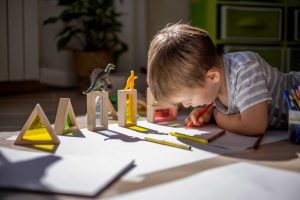
Children learn through everyday experiences, and play is an important part of that process. Set aside time for activities such as storytelling, drawing, building blocks, puzzles and outdoor games. These activities encourage creativity, problem-solving and communication skills. Allow children to explore their interests instead of making every activity feel like a lesson.
Hygiene Routine
Personal hygiene should become a natural part of a child’s day. Teach children to wash their hands before eating, after using the washroom and after playing outdoors. Brushing their teeth, bathing regularly and keeping their clothes clean are other habits they should gradually learn. Demonstrating these activities makes it easier for children to understand and follow them.
Bedtime Routine
A consistent bedtime routine helps children prepare for sleep. Activities such as changing into comfortable clothes, brushing their teeth, listening to a bedtime story and spending a few quiet moments with parents can make bedtime enjoyable. A regular sleeping schedule also supports their physical growth, mood and ability to participate in activities the following day.
How Do Routines Help Children Develop Important Life Skills?
Daily routines are not just about completing activities on time. They also teach children essential skills that they will use throughout their lives. When children participate in everyday tasks, they learn responsibility, patience and confidence.
Let’s understand five important life skills that children develop through regular routines.
- Time Management
Young children may not understand clocks or schedules immediately. However, following a consistent sequence of activities helps them develop an early understanding of time. They gradually learn that certain activities happen before others. For example, they understand that playtime is followed by cleaning up and getting ready for lunch.
- Responsibility
Giving children small responsibilities helps them understand that they have a role in their daily activities. They can learn to put their toys away, arrange their books, carry their water bottles and keep their belongings in the right place. These simple tasks encourage responsible behaviour.
- Patience and Taking Turns
Daily routines often involve waiting for something. Whether children are waiting for their turn during a classroom activity or sitting together for lunch, these experiences teach them patience. They also learn to respect other people’s needs and understand that they cannot always have everything immediately.
- Decision-Making Skills
Allowing children to make small choices within their routines helps develop decision-making skills. Parents can ask them whether they would like to read a story or complete a puzzle first. Such choices make children feel involved and help them understand that their decisions matter.

- Social Skills
Following routines in a preschool environment gives children regular opportunities to interact with others. Group activities, mealtimes, play sessions and classroom responsibilities encourage sharing, cooperation and communication. These experiences help children build friendships and understand how to participate in a group.
The Role of Preschool in Building Consistent Routines
A preschool plays an important role in helping children become familiar with structured daily activities. For many children, starting preschool is their first experience of spending time away from their families in a new environment. A familiar and supportive routine can make this transition much easier.
Here are five ways preschool routines contribute to early childhood development.
1. A Predictable Classroom Schedule
A well-organised classroom follows a regular schedule that includes arrival time, circle time, learning activities, meals, playtime and rest. When children become familiar with this schedule, they feel more comfortable participating in classroom activities.
2. Learning Through Repetition
Repetition helps young children understand and remember new concepts. Activities such as singing rhymes, listening to stories, identifying colours and practising numbers become easier when children get regular opportunities to participate.
3. Encouraging Group Participation
Classroom routines teach children how to participate in group activities. They learn to listen to instructions, wait for their turns, share learning materials and work with classmates. These experiences help prepare them for future school environments.
4. Building Confidence in a New Environment
Children may initially feel nervous about entering a classroom or interacting with unfamiliar people. Having familiar activities throughout the day helps them understand what to expect. As they become comfortable with their teachers and classmates, their confidence gradually improves.
5. Developing Healthy Classroom Habits
Preschool routines encourage children to follow simple habits such as washing their hands, keeping their learning materials organised, cleaning up after activities and respecting classroom rules. These habits help create a positive learning environment.
How Can Parents Establish Healthy Routines at Home?
Parents are a child’s first teachers, and the habits children develop at home often influence their behaviour in preschool. Establishing a daily routine does not require a complicated timetable. A few simple changes can help make everyday activities more organised.
Start With Small Changes: Avoid introducing too many activities at once. Begin with simple habits such as waking up at a regular time, eating meals together and following a consistent bedtime. Once children become comfortable, gradually introduce other activities.
Create a Visual Timetable: Young children respond well to pictures and illustrations. Parents can create a simple chart showing activities such as brushing teeth, getting dressed, eating breakfast, playing and sleeping. This helps children understand their daily schedule more easily.
Be Consistent but Flexible: Following a regular routine is important, but parents should also understand that every day may not go according to plan. Family outings, celebrations and unexpected situations may require changes. Allowing some flexibility prevents routines from becoming stressful.
Make Everyday Activities Enjoyable: Children are more likely to participate when activities feel fun. Parents can play a favourite song while getting ready, turn cleaning up into a game or use storytelling to make bedtime more enjoyable.
Appreciate Their Efforts: Positive encouragement can motivate children to follow routines. Appreciate them when they complete small tasks independently. Instead of focusing only on mistakes, recognise their efforts and encourage them to keep practising.
How Kids Kingdom Helps Children Build Healthy Daily Routines
Choosing the right preschool is an important decision for parents starting their child’s early learning journey. A supportive environment with meaningful activities and consistent classroom routines can make a positive difference in how children learn and develop.
At Kids Kingdom, children get opportunities to explore, learn and grow through a balanced early learning environment. Inspired by the Reggio Emilia approach and guided by the British EYFS framework, the learning experience encourages curiosity, creativity and independent exploration. Through teacher-led and child-led activities, children participate in storytelling, music, movement, creative experiences, role play and hands-on discovery. These experiences help them become familiar with classroom routines while developing communication, social and practical life skills.
Here are five ways a positive preschool environment can support children’s daily routines.
1. A Balance Between Learning and Play
Children need opportunities to learn as well as time to enjoy themselves. A balanced preschool schedule includes structured learning experiences, creative activities and free play. This helps children remain interested and actively participate throughout the day.
2. Opportunities to Develop Independence
Everyday classroom activities encourage children to take responsibility for small tasks. Arranging materials, putting toys away and participating in group activities help them become more confident and independent.
3. Learning Through Creative Experiences
Creative activities such as painting, drawing, music, storytelling and role play allow children to express their ideas. These experiences also support imagination, communication and problem-solving skills.
4. Social Interaction and Teamwork
Group activities help children understand the importance of sharing, cooperation and respecting others. Through everyday interactions with teachers and classmates, they gradually develop the social skills needed to build positive relationships.
5. A Supportive Environment for Preschool Beginners
Starting preschool can bring many new experiences for young children. A welcoming classroom, caring teachers and familiar activities can help them adjust comfortably. Gradually becoming familiar with the daily schedule makes the transition from home to preschool easier.
Why Kids Kingdom Is a Top Choice for Daycare in Bangalore
For parents looking for a nurturing environment where children can learn, play and develop healthy habits, Kids Kingdom is a top choice for Daycare in Bangalore. The preschool focuses on creating meaningful early learning experiences through a balance of structured activities and child-led exploration. With an approach inspired by Reggio Emilia and the British EYFS framework, children get opportunities to develop independence, communication and social skills through everyday experiences. From creative play and storytelling to movement activities and hands-on discovery, the learning environment encourages children to explore at their own pace. For families looking for a place that supports their child’s overall development while making everyday learning enjoyable, Kids Kingdom offers a welcoming environment to begin their early childhood journey.
Common Routine Mistakes Parents Should Avoid
While routines are helpful, it is equally important to introduce them in a way that suits a child’s age, personality and developmental needs. Sometimes, parents may unknowingly make daily schedules too demanding.
Here are five common mistakes to avoid.
- Creating an Overly Strict Schedule
Children need structure, but they also need time to explore and enjoy spontaneous activities. Avoid planning every minute of their day. Leave enough room for free play and relaxation.
- Expecting Immediate Results
Children need time to understand and follow new habits. They may forget certain tasks or need reminders. Be patient and give them enough opportunities to practise.
- Ignoring Individual Needs
Every child develops at a different pace. Some children may take longer to get ready, while others may need additional time to adjust to a new activity. Create routines that suit their individual needs.
- Using Punishment to Enforce Routines
Children should not feel afraid of making mistakes while learning new habits. Instead of scolding them, explain why an activity is important and encourage them to try again.
- Not Following Consistency at Home
When daily schedules change frequently, children may find it difficult to understand expectations. Parents and caregivers should try to maintain similar routines, especially for meals, hygiene and bedtime.
Conclusion
A child’s childhood is made up of small moments that gradually shape who they become. From learning to brush their teeth independently to sharing toys with friends, everyday activities teach valuable lessons that go beyond the classroom. Establishing healthy routines during early childhood gives children the confidence, security and independence they need as they grow. However, routines should never take away the joy of childhood. They should create a healthy balance between learning, playing, resting and exploring new experiences. For parents beginning their preschool journey, choosing an environment that supports these habits can make a meaningful difference. With the right encouragement at home and a nurturing preschool environment, children can develop positive habits that stay with them as they move into their next stage of learning.