
Choosing the right preschool is one of the first important decisions parents make for their child. Mistakes parents make when choosing a preschool can influence a child’s early learning experience, emotional development, and attitude toward school. Because preschool is often a child’s first structured learning environment, selecting the right one requires careful thought.
Many parents feel pressured during admission season when schools fill up quickly. In this rush, they may focus on surface-level factors instead of what truly matters for a child’s growth. Preschool is not only about learning alphabets and numbers, it is also about developing social skills, emotional confidence, curiosity, and independence.
Understanding the common mistakes parents make when choosing a preschool can help families make better decisions and create a positive start for their child’s educational journey.

1. Focusing Only on Academics
One of the most common mistakes parents make when choosing a preschool is prioritising academics above everything else. Some parents believe preschool should prepare children for primary school by teaching reading, writing, and mathematics early.
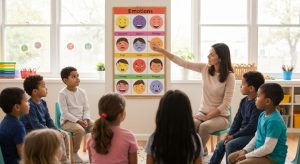
However, early childhood education experts agree that preschool years are primarily about social and emotional development. Children between ages two and six learn best through play, exploration, and interaction.
Preschools should focus on developing skills such as:
Social interaction
Emotional regulation
Communication
Curiosity and creativity
A school that emphasises only worksheets and academic drills may not support a child’s overall development.
2. Ignoring Teacher Qualifications
Another major mistake parents make when choosing a preschool is overlooking the importance of qualified teachers. While colourful classrooms and modern facilities may look impressive, the real learning environment is shaped by teachers.
Parents should always ask about:
Teacher training in early childhood education
Experience working with young children
Student–teacher ratio
Teaching approach and classroom management
A trained and caring teacher helps children feel safe, confident, and eager to learn.

3. Choosing a Preschool Only Because It Is Nearby
Location is certainly an important factor, especially for working parents. However, choosing a preschool solely because it is close to home can sometimes lead to regret.
Convenience should not outweigh quality. If a preschool has limited engagement, poorly trained staff, or a rigid environment, it may not provide the best experience for a child.
Parents should balance convenience with factors such as teaching quality, curriculum, safety, and emotional support for children.
4. Being Impressed Only by Infrastructure
Many parents are drawn to preschools that have modern facilities such as smart boards, large play areas, or expensive toys. While these features can enhance the learning environment, they are not the most important aspect of preschool education.
Children learn best through interaction, imagination, and hands-on activities. What matters more than infrastructure is how teachers use the space to encourage creativity and exploration.
A simple classroom with thoughtful teaching methods can provide a better experience than a fancy school that lacks meaningful engagement.
5. Not Observing Classroom Interaction
Another mistake parents make when choosing a preschool is relying only on brochures or marketing material without observing how classrooms actually function.
During a school visit, parents should observe:
How teachers interact with children
Whether children seem happy and engaged
How activities are organised
How conflicts between children are handled
These observations provide valuable insights into the school’s culture and teaching style.

6. Overlooking Safety and Hygiene
Safety and hygiene are critical factors in any preschool environment. Young children spend several hours in school, so the surroundings must be secure and clean.
Parents should check for:
Clean classrooms and washrooms
Safe play equipment
Secure entry and exit systems
Emergency procedures and staff preparedness
A safe and hygienic environment helps children feel comfortable and protected.
7. Not Understanding the Curriculum
Different preschools follow different teaching approaches. Some may use play-based learning, while others may follow Montessori methods or internationally recognised frameworks such as EYFS.
Parents sometimes enrol children without understanding how the curriculum works. This can lead to mismatched expectations.
Before making a decision, parents should ask:
How learning activities are designed
How play and structured learning are balanced
How emotional and social skills are developed
Understanding the curriculum helps parents ensure that it aligns with their child’s personality and learning style.
8. Comparing Children With Others
Another common mistake parents make when choosing a preschool is comparing their child with others.
For example, parents may choose a preschool simply because neighbours or friends send their children there. Others may worry that their child is “behind” if another child learns to read earlier.
Every child develops at a different pace. Preschool should support individuality and encourage children to grow naturally.
9. Ignoring the Child’s Comfort
When visiting preschools, parents often focus on facilities and teaching methods but forget to observe their child’s reaction to the environment.
Children may show signs of comfort or discomfort during the visit. Parents should notice whether the child:
Feels curious and interested
Is willing to explore the classroom
Interacts with teachers or other children
A preschool should feel welcoming and supportive, not stressful or intimidating.
10. Not Asking About Parent Communication
A good preschool maintains open communication with parents. Parents should know how the school shares updates about children’s progress and well-being.
Before enrolling, it is helpful to ask:
Are there regular parent-teacher meetings?
How are daily updates shared?
Do teachers provide feedback on emotional and social development?
Strong communication between parents and teachers supports the child’s development both at home and at school.
11. Overlooking Social Skills Development
Preschool is one of the first places where children learn to interact with peers. Skills such as sharing, cooperating, listening, and resolving small conflicts are extremely important during early childhood.
Parents sometimes focus too much on academic results and overlook how a school helps children develop social skills.
A good preschool encourages group activities, teamwork, and guided interactions that help children build empathy and communication skills.
12. Rushing the Decision
Admission deadlines can create pressure, leading parents to make quick decisions. However, rushing into a choice may lead to dissatisfaction later.
It is better to take time to:
Visit multiple preschools
Speak with teachers and staff
Talk to other parents
Evaluate the environment carefully
Choosing the right preschool should be a thoughtful process.
What Parents Should Consider Instead
Instead of focusing on superficial factors, parents should prioritise the following when selecting a preschool:
Emotional safety and supportive teachers
Balanced learning through play and exploration
Safe and hygienic facilities
A suitable curriculum approach
Positive teacher–child interaction
Open communication with parents
These elements create a nurturing environment that helps children develop confidence and curiosity.
Parents looking for a top preschool in Bangalore can explore programs like top preschool in Bangalore offered by Kids Kingdom. The preschool focuses on play-based learning, hands-on activities, and interactive experiences that help children build creativity, confidence, and problem-solving skills from an early age. The curriculum combines structured learning with exploration so that children develop early literacy, numeracy, and social skills in a nurturing environment. With trained teachers, engaging classrooms, and spaces that encourage active play, Kids Kingdom aims to create a supportive setting where children can learn, grow, and develop a strong foundation for future education.
Final Thoughts
Mistakes parents make when choosing a preschool often come from a desire to give their child the best start in life. However, focusing on the right factors can make the decision easier and more meaningful.The best preschool is not necessarily the most famous or expensive one. It is the place where a child feels safe, encouraged, and excited to learn every day.
When parents take the time to evaluate schools carefully, they can create a positive foundation for their child’s lifelong learning journey.