
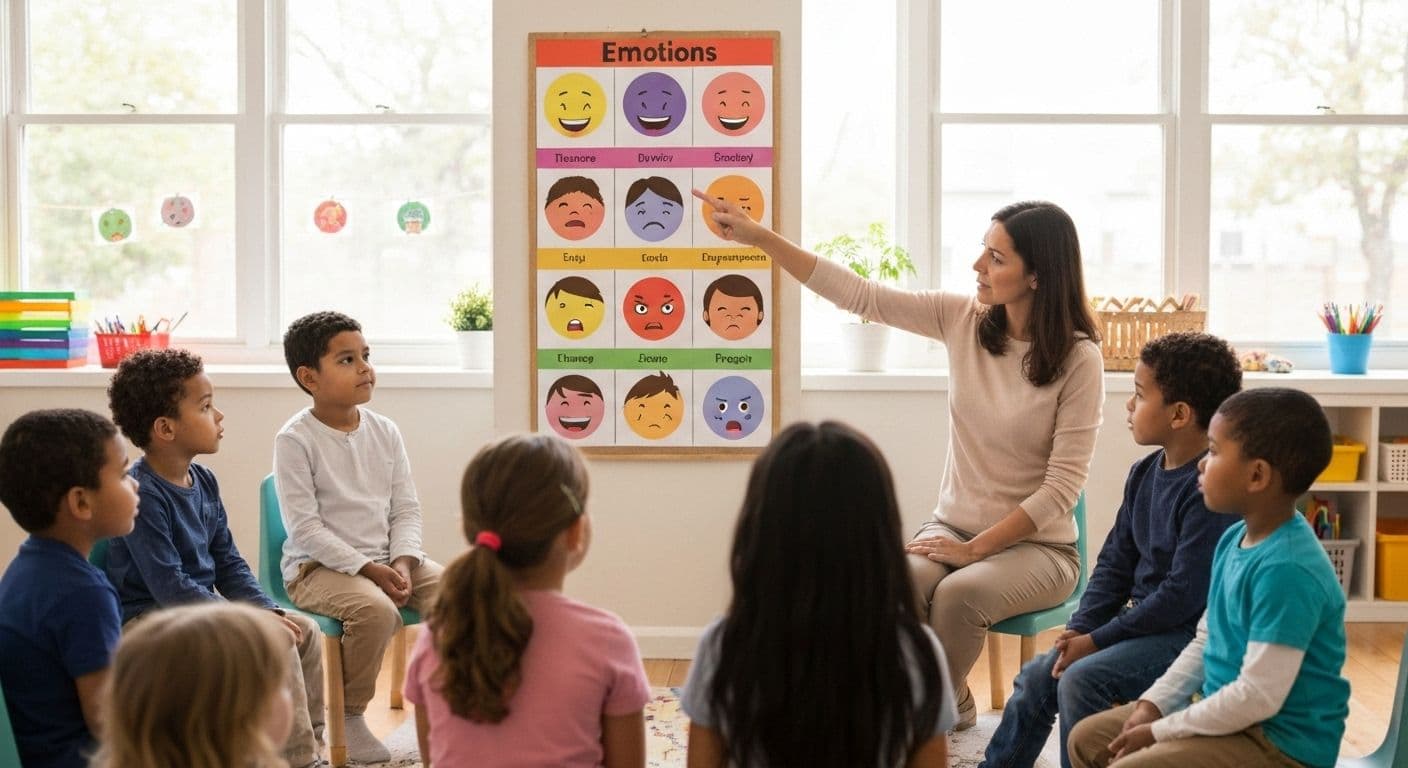
Social skills training in preschool years plays a crucial role in a child’s early development. The preschool years are often described as the foundation stage of life. Between the ages of 2 and 6, children experience rapid brain development, emotional growth, and social awareness. During this phase, children are not just learning numbers, colors, and alphabets they are learning how to interact with others and understand the world around them.
This is why social skills training in preschool years becomes incredibly important. These early experiences shape how children communicate, cooperate, and build relationships later in life.
Social skills include the abilities that help children share, listen, express emotions, follow instructions, and work with others. While academic learning is important, research and real-life experience show that strong social skills are equally if not more important for long-term success.
Let’s explore why social skills training during preschool years is essential for raising confident, emotionally intelligent, and socially capable children.
What Are Social Skills in Early Childhood?
Social skills in preschool include everyday behaviors that help children interact positively with others. These skills include:
Sharing toys and materials
Taking turns
Listening to instructions
Expressing feelings appropriately
Managing anger or frustration
Showing empathy
Resolving simple conflicts
Making friends
At this age, children are naturally focused on themselves. Through social skills training in preschool years, they gradually learn cooperation, respect, and emotional regulation.
Preschools provide the ideal environment for this learning because children interact daily with peers who have different personalities and experiences.
Why Social Skills Training in Preschool Years Is Important
1. Builds Emotional Intelligence
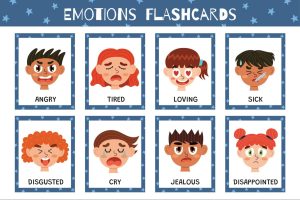
Emotional intelligence begins during early childhood. When children learn to recognize emotions such as happiness, sadness, anger, or excitement, they become better at managing their feelings.
For example, a child who understands “I feel angry because I lost the game” is more likely to respond calmly instead of reacting with aggression.
Through social skills training in preschool years, children learn to:
Identify emotions
Express feelings with words
Understand others’ emotions
Show empathy toward friends
These lessons help children build emotional resilience that benefits them throughout life.
2. Encourages Healthy Communication
Communication involves much more than speaking. It includes listening, understanding tone, interpreting body language, and responding respectfully.
In preschool environments, children learn how to:
Raise their hands before speaking
Listen when someone else is talking
Ask for help politely
Express needs using words instead of actions
Strong communication skills developed during early childhood often support academic success later in school.
3. Teaches Cooperation and Teamwork
Group activities are a key part of preschool learning. Activities such as circle time, storytelling, games, and art projects require children to work together.
During these activities, children practice:
Waiting for their turn
Following group rules
Completing tasks with others
Celebrating shared achievements
These experiences help prepare children for structured classroom environments in later grades.
4. Reduces Behavioral Issues
Many behavioral challenges during early childhood happen because children do not yet know how to manage emotions or communicate their needs.
Without guidance, children may respond with:
Tantrums
Aggressive behavior
Withdrawal from social situations
Social skills training in preschool years teaches children healthier ways to express frustration, solve problems, and interact with peers.
5. Boosts Self-Confidence
Children who develop strong social skills often feel more confident in group settings. When children can make friends, participate in discussions, and express themselves clearly, they feel a stronger sense of belonging.
This confidence helps children engage more actively in learning activities and develop a positive attitude toward school.
6. Strengthens Academic Readiness
Parents often focus on reading and writing skills when preparing children for school. However, social-emotional development is equally important.
Children who receive social skills training in preschool years are better prepared to:
Follow classroom instructions
Work cooperatively with peers
Stay focused on tasks
Ask questions confidently
Research shows that social skills often predict school success more accurately than early academic performance.

How Preschools Support Social Skills Development
Quality preschools use intentional strategies to develop social skills.
Circle Time
Children gather together to share thoughts and stories, improving listening and turn-taking.
Role-Playing Activities
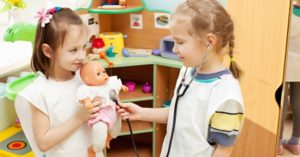
Pretend play allows children to practice situations such as apologizing, asking politely, or helping a friend.
Group Games
Games encourage patience, teamwork, and understanding of rules.
Storytelling
Stories help children understand emotions, empathy, and friendship through characters and experiences.
Conflict Resolution Guidance
Teachers guide children to talk through disagreements rather than immediately solving problems for them.
Long-Term Benefits of Social Skills Training in Preschool Years
Children who develop strong social skills early often experience long-term advantages.
Better Relationships
Early lessons in empathy and cooperation help children build healthy relationships later in life.
Leadership Skills
Communication and teamwork key elements of leadershipare r ooted in early social learning.
Improved Mental Health
Children who can express emotions and ask for help appropriately often develop stronger emotional well-being.
Greater Adaptability
Socially skilled children adjust more easily to new environments, teachers, and experiences.
Signs Your Child Is Developing Social Skills
Parents can look for simple signs that their preschooler is developing social skills, such as:
Initiating play with other children
Sharing toys occasionally
Using polite words like “please” and “thank you”
Expressing emotions verbally
Trying to resolve small disagreements
Showing empathy toward others
Every child develops at their own pace, but encouragement and guidance make a significant difference.
How Parents Can Support Social Skills at Home
Parents play a crucial role in reinforcing social skills training in preschool years.
Model Positive Behavior
Children learn by observing adults. Polite language and calm communication set strong examples.
Encourage Playdates
Small group interactions help children practice cooperation and sharing.
Teach Emotional Vocabulary
Helping children name their emotions improves their ability to manage them.
Praise Positive Behavior
Recognizing acts such as sharing or helping others reinforces healthy habits.
Limit Screen Time
Face-to-face interactions are essential for building real social competence.
How Schools Like Kids Kingdom Support Social Development
Many modern preschools in India now focus on social-emotional learning alongside academics. Institutions such as Kids Kingdom Preschool & Daycare incorporate structured activities that encourage interaction and collaboration.
Daily routines like circle time, storytelling, and group play help children practice communication, empathy, and teamwork. Teachers guide children through small disagreements and encourage them to find solutions together, helping develop patience and problem-solving abilities.
This balanced approach ensures children develop both academic readiness and strong social foundations.
Many preschools today understand that early education should focus on emotional, social, and cognitive growth together. Schools like Kids Kingdom Preschool & Daycare integrate activities such as group play, storytelling, and interactive learning to help children build communication and cooperation skills from an early age. These structured experiences allow children to practice sharing, listening, and expressing their emotions in a supportive classroom environment. Parents who want to better understand common decision-making errors can also explore this guide on mistakes parents make when choosing a preschool, which highlights important factors families should consider when selecting the right preschool for their child.
Why Preschool Years Are the Perfect Time
The early years are a critical stage for brain development. Neural connections related to emotional regulation, communication, and empathy are highly flexible during this time.
This makes social skills training in preschool years:
Easier
More effective
More sustainable
Delaying these lessons can make it harder for children to develop strong social habits later.
Final Thoughts
The preschool years are not just about preparing children for exams they are about preparing them for life.
Social skills training in preschool years helps children:
Build emotional intelligence
Communicate effectively
Develop confidence
Manage behavior
Succeed academically
When children learn how to understand themselves and interact positively with others, they gain skills that last a lifetime.
Investing in social skills during early childhood is truly an investment in a child’s future.