

Introduction
Watching a child put on their shoes, pack their toys, or finish a small task without help can be a proud moment for any parent. These little achievements are the beginning of independence. During the preschool years, children are naturally curious and eager to explore things on their own. Understanding how to foster independence in young children helps parents encourage this behaviour while developing confidence, responsibility, and important life skills that support their preschool journey.
Why Is Independence Important During Early Childhood?
Independence is an important part of a child’s overall development. It allows children to understand their abilities, make simple decisions, and learn how to manage everyday situations. When children are encouraged to complete age-appropriate tasks independently, they gradually become more confident and comfortable trying new things.
Here are five reasons why developing independence matters during early childhood.

1. Builds self-confidence
When children complete a task without depending entirely on adults, they begin to trust their abilities. Even something as simple as arranging their toys or wearing their shoes can make them feel proud. These small successes encourage them to take up new challenges and become more confident in their everyday activities.
2. Encourages decision-making
Independent children get opportunities to make simple choices. They may decide which storybook to read, what colour to use for a drawing, or which toy to play with. Such experiences help them understand that their choices matter and gradually improve their decision-making abilities.
3. Develops problem-solving skills
Children often face small challenges while completing everyday tasks. They may struggle to fit a puzzle piece or find it difficult to open a lunchbox. Instead of immediately stepping in, parents can encourage them to think about possible solutions. This helps develop patience, logical thinking, and problem-solving skills.
4. Teaches responsibility
Independence also introduces children to responsibility. When they are encouraged to put away their toys, keep their belongings in the right place, or help with simple household activities, they learn to take care of their surroundings. These habits can become valuable parts of their daily routine.
5. Supports social and emotional development
Children who learn to do things independently often become more comfortable interacting with others. They gradually understand how to express their needs, handle small disappointments, and participate in group activities. These experiences also help them develop patience, cooperation, and emotional awareness.
Five Everyday Ways Parents Can Encourage Independence at Home
Children do not need complicated activities or special equipment to become independent. Everyday household routines provide plenty of opportunities to practise important skills. Parents can introduce small responsibilities depending on their child’s age, interests, and abilities.
Here are five simple ways to encourage independence at home.
- Encourage children to dress themselves
Allow children to choose their clothes and practise wearing them. Start with simple activities such as putting on socks, wearing comfortable footwear, or pulling up their trousers. They may take longer initially, but regular practice helps improve their coordination and self-care skills. Parents can offer help whenever needed without completing the entire task for them.
- Let them organise their toys
After playtime, encourage children to put their toys back in their designated places. You can make this activity enjoyable by using colourful storage baskets and asking them to sort toys according to their type. This teaches them to organise their belongings and understand that cleaning up is part of playing.

- Allow them to make simple food choices
Give children opportunities to make small decisions during mealtimes. For example, let them choose between two healthy snacks or decide which fruit they would like to eat. Older preschoolers can also help with simple activities such as washing fruits or placing napkins on the table under adult supervision.
- Give them small household responsibilities
Children enjoy feeling included in family activities. Ask them to help with age-appropriate tasks such as arranging cushions, watering plants, placing their books on a shelf, or putting their laundry in a basket. These activities help them understand that everyone has a role in keeping the home organised.
- Encourage independent play
Allow children to spend some time playing on their own. Give them building blocks, colouring books, puzzles, or pretend-play toys and let them decide what to create. Independent play encourages imagination, concentration, and creativity. Parents can remain nearby for safety while allowing children to explore their ideas.
How Can Preschool Activities Help Children Become Independent?
A preschool environment gives children opportunities to practise independence outside their homes. Unlike home, where parents often take care of many daily responsibilities, preschool encourages children to participate in routines, interact with classmates, and complete small activities with guidance from teachers.
The following five activities can help develop independence in young children.
Activity 1: Self-help activities
Self-help activities teach children how to manage their personal needs. Teachers can encourage them to wash their hands, use their water bottles, arrange their shoes, and keep their belongings in the right place. These activities help children become familiar with everyday responsibilities.
Activity 2: Art and craft sessions
Art and craft activities allow children to make their own choices. They can select colours, experiment with different materials, and create their own artwork. Teachers can provide instructions while allowing children to complete their projects in their own way. This builds creativity and confidence.
Activity 3: Building blocks and puzzles
Building blocks and puzzles encourage children to think independently. They learn to identify patterns, solve small problems, and understand how different pieces fit together. When they complete an activity without immediate assistance, they experience a sense of achievement.

Activity 4: Role-playing activities
Pretend play gives children the freedom to explore different situations. They may pretend to be teachers, shopkeepers, doctors, or parents. These activities encourage them to make decisions, communicate with others, and understand everyday responsibilities through play.
Activity 5: Group activities and classroom responsibilities
Teachers can assign small responsibilities such as distributing crayons, arranging books, or helping organise classroom materials. Children learn to participate in group activities and understand the importance of completing their responsibilities. Such experiences also encourage teamwork and cooperation.
The Role of Parents in Developing Independent Habits
Parents play an important role in helping children become independent. Children learn many habits by observing adults and practising everyday activities at home. The goal is not to make them do everything without assistance but to give them enough opportunities to learn at their own pace.
Here are five ways parents can support this development.
- Be patient when children make mistakes
Children may spill water, wear their shoes incorrectly, or struggle with simple activities when learning something new. Instead of correcting every mistake immediately, give them time to try again. Mistakes are a natural part of learning, and patience helps children feel comfortable exploring new skills.
- Avoid doing everything for them
Parents often complete tasks for their children because it saves time. However, constantly stepping in can reduce opportunities for learning. Allow children to try simple activities independently before offering assistance. Even if the task takes longer, the experience helps them become more capable.
- Appreciate their efforts
Positive encouragement can make a big difference in a child’s confidence. Appreciate their efforts when they complete a task, even if the result is not perfect. Instead of focusing only on the outcome, acknowledge the effort they have made. Simple words of encouragement can motivate them to keep practising.
- Maintain consistent daily routines
Children feel more comfortable when they know what to expect. Establish regular routines for waking up, getting dressed, eating meals, playing, and going to bed. Repeating these activities helps children understand their responsibilities and gradually complete familiar tasks with less assistance.
- Give them enough time to practise
Independence does not develop overnight. Some children may learn to dress themselves quickly, while others may need more time. Avoid comparing their progress with other children. Give them regular opportunities to practise and celebrate their achievements along the way.
Common Mistakes to Avoid While Teaching Independence
Encouraging independence is important, but the way adults approach it can influence how children respond. Sometimes, parents may unknowingly make children feel pressured or discourage them from trying new activities.
Here are five common mistakes to avoid.
1. Expecting too much too soon
Every child develops at a different pace. Expecting a toddler to complete tasks meant for older preschoolers can create frustration. Choose activities that match their age and abilities, and gradually introduce more challenging responsibilities as they become comfortable.
2. Correcting every small mistake
Children need opportunities to learn through experience. Constantly correcting their actions may make them hesitant to try things independently. Unless there is a safety concern, allow them to make small mistakes and guide them towards finding a better way.
3. Comparing children with others
Comparisons can affect a child’s confidence and make them feel that their efforts are not enough. Instead of comparing them with siblings or classmates, focus on their individual progress. Appreciate the skills they are developing and encourage them to improve at their own pace.
4. Not allowing children to make choices
Making every decision for children can limit their opportunities to develop independent thinking. Give them simple choices throughout the day, such as selecting a book, choosing between two outfits, or deciding which activity to try first. This helps them feel involved and valued.
5. Being inconsistent with responsibilities
If children are sometimes encouraged to complete tasks and sometimes have everything done for them, it may become difficult to develop consistent habits. Establish simple expectations and follow them regularly. Gentle reminders and encouragement can help children understand their responsibilities.
Why Kids Kingdom Is a Top Choice for Daycare in Bangalore
Choosing the right preschool or daycare is an important decision for parents who are starting their child’s preschool journey. A good early learning environment should offer more than classroom lessons. It should help children become comfortable, explore their interests, interact with others, and develop everyday life skills.
Kids Kingdom is a top choice for Daycare in Bangalore because it focuses on creating a welcoming environment where children can learn, play, and grow through meaningful experiences. With opportunities for teacher-led and child-led discovery, children are encouraged to explore their surroundings, participate in activities, and develop confidence in their abilities. From creative play and movement activities to everyday classroom routines, children get opportunities to practise important skills while enjoying their time at preschool.
Here are five ways a supportive preschool environment can encourage independence.
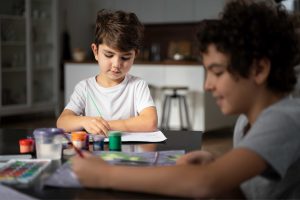
1. Learning through exploration
Children learn better when they get opportunities to explore things around them. Activities involving colours, shapes, building materials, and creative play encourage curiosity. When children are given the freedom to experiment, they gradually learn to make choices and discover things independently.
2. Developing social skills through interaction
Interacting with classmates teaches children how to share, communicate, take turns, and participate in group activities. These experiences help them become comfortable in social settings and understand how to work with others.
3. Building confidence through daily routines
Simple classroom routines help children develop a sense of responsibility. Activities such as keeping their belongings organised, preparing for playtime, and cleaning up after activities encourage them to become more involved in their daily tasks.
4. Encouraging creativity and self-expression
Creative activities such as drawing, dancing, storytelling, and role-playing allow children to express their ideas. When teachers encourage children to explore their own interests instead of expecting everyone to produce the same result, they develop confidence in their abilities.
5. Receiving guidance from supportive teachers
Children need encouragement and guidance while learning new skills. Teachers can demonstrate activities, offer suggestions, and allow children to try things independently. This balance between support and freedom helps children become more confident learners.
How to Know If Your Child Is Becoming More Independent
Independence develops gradually, and parents may notice small changes in their child’s behaviour over time. These changes may seem simple, but they show that children are becoming more comfortable handling everyday situations.
Look for these five positive signs.
- They try tasks without being asked
Your child may start putting toys away, picking up their shoes, or arranging their books without waiting for instructions. This shows that they are beginning to understand everyday responsibilities.
- They make simple decisions
Children may start expressing their preferences and choosing activities they enjoy. Whether they select a favourite storybook or decide which game to play, these choices show developing confidence and independent thinking.
- They attempt to solve small problems
Instead of immediately asking for help, your child may try different ways to complete a puzzle, open a container, or find a missing toy. This shows that they are developing problem-solving skills.
- They become more comfortable with daily routines
Children may begin remembering when to wash their hands, where to keep their belongings, or what to do after playtime. Familiar routines help them manage everyday activities with less assistance.
- They show confidence in new situations
A child who is becoming more independent may feel more comfortable trying unfamiliar activities, interacting with other children, or participating in classroom tasks. They may still need encouragement, but they become increasingly willing to explore new experiences.
Conclusion
Independence begins with small steps, from choosing an outfit to putting away toys. With patience, encouragement, and consistent opportunities, children gradually learn to trust their abilities and take responsibility for everyday tasks. Parents and preschool teachers can work together to make these experiences enjoyable and meaningful. The goal is not perfection but progress, one little achievement at a time.