

Why Is It Important to Teach Kids About Saving Money From an Early Age?
Introduction
Money lessons can start much earlier than parents think. A preschooler may not understand budgets or bank accounts, but they can understand saving a coin for something they want. Simple activities like using a piggy bank, making choices while shopping and waiting before buying can introduce children to money habits. Teaching kids about saving money through these small activities can build patience, responsibility and confidence as they grow.
Why Should Children Learn About Money Early?
Children see adults using money every day. They notice when parents shop for groceries, pay bills, buy toys or decide not to purchase something. These everyday moments are useful opportunities for teaching kids about saving money and introducing simple money concepts without making the subject complicated.
1. Children begin understanding the value of things
Young children often think that if they want something, they should be able to get it immediately. Saving teaches them that money has value and that every purchase involves a choice. They slowly begin to understand that some things cost more than others. Teaching kids about saving money can help them understand these differences through simple everyday examples.
2. Saving teaches patience
A child who puts money into a piggy bank for several weeks learns that good things do not always happen immediately. Waiting for a desired toy or activity can teach patience in a practical way. When parents focus on teaching kids about saving money, they can also help children understand the value of waiting for something they really want.
3. It encourages responsible choices
When children have a small amount of money to manage, they begin making simple decisions. They may choose between spending it on a small treat or saving it for something they want more. As part of teaching kids about saving money, parents can allow children to make these small choices while offering gentle guidance.
4. Children learn that money is limited
Preschoolers may not understand household expenses, but they can learn that money is not unlimited. Parents can explain this through simple examples, such as having a fixed amount to spend during a family outing. This makes teaching kids about saving money more practical and easier for young children to understand.
5. Early lessons can become lifelong habits
Money habits develop gradually. Children who regularly practise saving, waiting and making thoughtful choices can carry these behaviours into their school years and later life. Therefore, teaching kids about saving money early can help create a foundation for responsible money habits as they grow.
Five Simple Money Lessons Preschoolers Can Understand
Financial education for a preschooler does not need complicated terms. Children learn best when the lessons are connected to things they already understand. For this reason, teaching kids about saving money can be made simple through games, daily activities and real-life examples.
Save before you spend
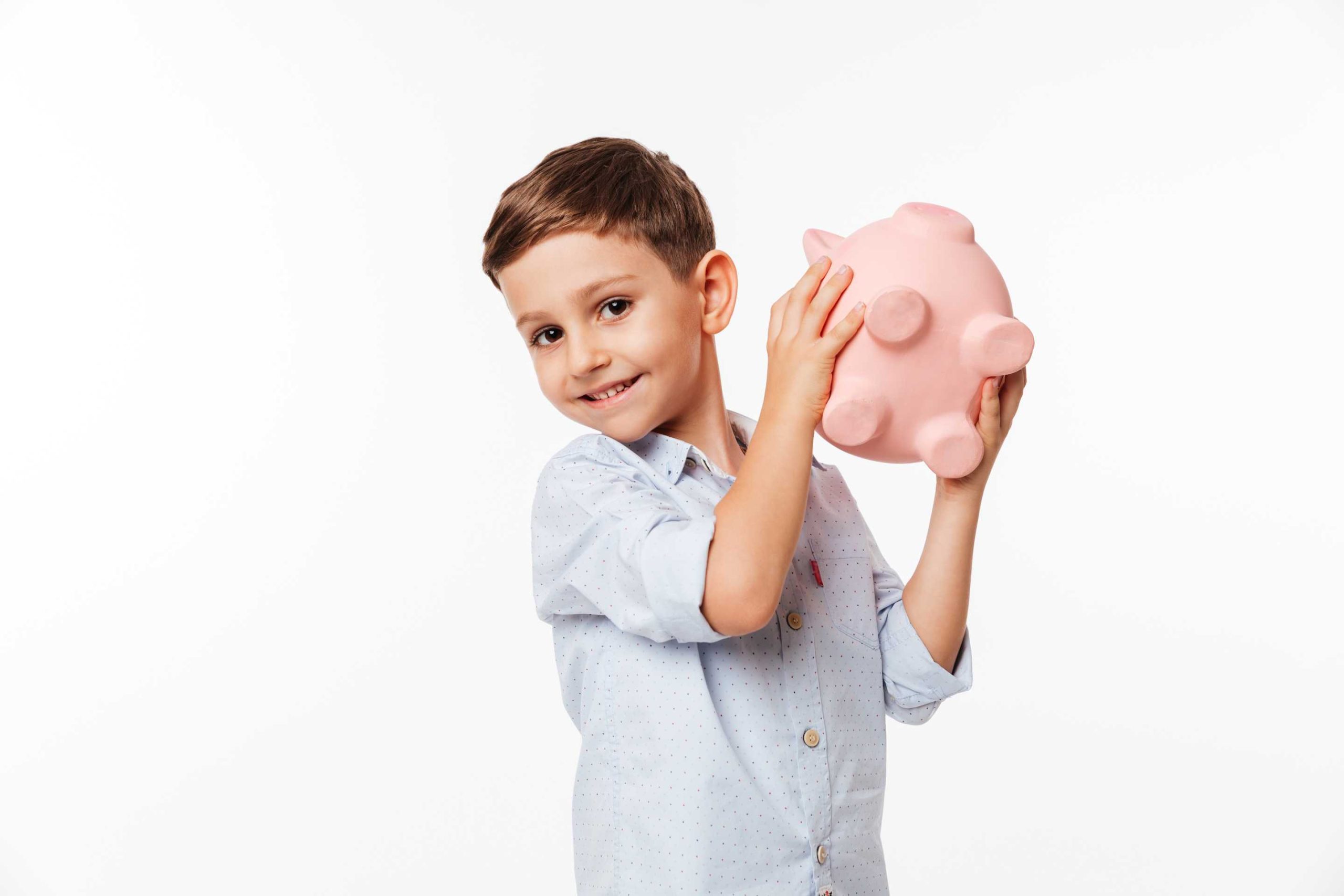
Parents can give children a small amount of pocket money and encourage them to put part of it into a piggy bank. The child can then see the money grow over time. This simple activity makes teaching kids about saving money more visual and engaging.
Needs and wants are different
A simple conversation can help children understand that food, clothing and school supplies are needed, while toys, sweets and some games are wants. This does not mean children should never enjoy wants. It simply teaches them that different things have different priorities.
Money takes effort
Parents can explain that adults work to earn money. A child does not need to understand salaries or employment yet. A simple explanation that money helps families pay for things they need can create a basic understanding of where money comes from. This idea can support teaching kids about saving money by helping them understand why money should be used thoughtfully.
Waiting can be rewarding
If a child wants a particular toy, parents can encourage them to save towards it instead of buying it immediately. Reaching the goal can make the purchase more meaningful. Through teaching kids about saving money, parents can show children that patience can help them achieve a goal.
Every coin has a purpose
Children can be given different jars labelled “Save”, “Spend” and “Share”. This simple activity introduces three useful ideas: keeping money for later, using some money now and thinking about helping others. As a result, teaching kids about saving money becomes an interactive activity that children can understand and practise in their everyday lives.

How Saving Money Helps Children Develop Important Life Skills
Money education is not only about coins and notes. It can support several important skills that children use in other areas of life too.
Patience
Saving for a goal teaches children to wait. This can help them understand that not everything they want needs to happen immediately.
Decision-making
When children have a limited amount to spend, they need to make choices. They may have to decide which toy or activity matters most to them.
Goal-setting
A savings goal gives children something specific to work towards. Parents can use a simple picture of the toy or activity the child wants and show their progress towards the goal.
Responsibility
Allowing children to manage a small amount of money can give them a sense of responsibility. They learn that their choices have consequences.
Basic problem-solving
Suppose a child has ₹100 and wants a ₹150 toy. Instead of simply buying it for them, parents can explain that they need another ₹50. This creates a simple opportunity to talk about saving and planning.
Fun Ways to Teach Preschoolers About Saving
Children learn particularly well through play and hands-on activities. Parents can turn money lessons into small games rather than formal lessons.
1. Use a transparent piggy bank
A transparent container allows children to see their savings growing. Every time they add a coin, they can visually understand that their savings are increasing.
2. Create a savings goal chart
If a child wants a particular toy, create a simple chart with five or ten spaces. Every time they save, they can colour one space. Reaching the final space can become a fun achievement.
3. Play shop at home
Set up a pretend shop using household objects. Give children pretend money and let them choose what they can “buy”. This helps them practise counting and making choices.
4. Let children compare prices
When shopping, parents can occasionally point out that two similar items have different prices. Ask the child which one costs more. Keep the conversation simple and avoid making shopping stressful.
5. Give children a small saving challenge
For example, parents can encourage a child to save a certain number of coins over a week. The goal should be small and achievable so that the child experiences success.

Teaching Needs, Wants and Smart Choices
One of the most useful money concepts for young children is learning that wanting something does not always mean buying it immediately.
Needs come first
Explain that families need to spend money on things such as food, housing, clothing and education. Preschoolers do not need detailed financial information, but understanding priorities is useful.
Wants are enjoyable but optional
Toys, chocolates, games and certain activities can be described as wants. Parents can explain that wants are perfectly fine, but families need to make choices about them.
Choices involve trade-offs
If a child spends all their saved money on a small toy, they may not have enough left for the bigger item they were saving for. This is an easy way to introduce the idea of trade-offs.
Waiting can change a decision
Sometimes children forget about a toy after waiting for a few days. A short waiting period can help them decide whether they genuinely want something.
Smart choices are not about saying no to everything
Money lessons should not make children feel guilty about spending. The goal is to help them understand that spending, saving and sharing can all have a place.
A Simple Save, Spend and Share System
A three-container system can make financial learning very visual for preschoolers.
Save
Children can put some money into their savings container. Parents can help them watch it grow and talk about what they are saving for.
Spend
A smaller portion can be available for something the child wants. This teaches that spending is also a normal part of managing money.
Share
Parents can introduce the idea of sharing through small acts of kindness. For example, children may choose to contribute towards a charity collection or buy something useful for another person.
Goal
A separate goal can make saving more exciting. Children can draw a picture of what they are saving for and place it near their container.
Celebrate progress
The celebration does not have to involve spending more money. Parents can simply acknowledge that the child reached their savings goal and explain what they learned along the way.
How Parents Can Teach Money Habits Through Everyday Activities
Children do not need a separate “money class” at home. Everyday situations can become useful learning opportunities.
Grocery shopping
Parents can explain that the family has a shopping list and a budget. Children can help identify items on the list and understand that families make choices while shopping.
Toy shopping
Instead of immediately buying a requested toy, parents can ask, “Do you want to use your savings for this?” This encourages children to think before spending.
Birthday money
If a child receives money as a birthday gift, parents can help them decide how much they might save and how much they might spend.
Family outings
Before going to an outing, parents can explain that there is a certain amount available for snacks or activities. This introduces the idea of making choices within a limit.
Household conversations
Parents can talk about money naturally without discussing private financial details. Children can learn that adults plan, compare choices and think about what is important before spending.
Common Mistakes Parents Should Avoid While Teaching Money
Money conversations with children should feel positive and age-appropriate. A few simple changes can make these lessons easier.
Avoid making money frightening
Children do not need to hear constant conversations about financial worries. Instead, focus on positive ideas such as planning, saving and making thoughtful choices.
Do not expect adult-level understanding
A four-year-old cannot understand the same financial concepts as a ten-year-old. Start with simple ideas and increase the complexity as the child grows.
Do not use money only as a reward
If every good behaviour receives money, children may begin expecting payment for ordinary responsibilities. Some responsibilities, such as putting toys away, can simply be part of family life.
Avoid comparing children
One child may save happily while another may want to spend their money quickly. Use these moments as opportunities to teach rather than compare.
Do not make saving feel like punishment
Saving should not mean that children can never enjoy spending. A balanced approach can teach them that money can be saved, spent and shared responsibly.
How Preschool Can Support Early Financial Learning
Preschool can introduce early financial concepts through everyday learning activities. Children can practise counting, sorting, comparing and making choices while playing with classmates. These activities can also create simple opportunities for teaching kids about saving money in a fun and age-appropriate way.
At Kids Kingdom, a top choice for Nursery in Bangalore, learning can extend beyond academic activities to practical skills that children use in everyday life. Simple role-play activities such as pretend shops can help children practise communication, counting and decision-making. For example, teaching kids about saving money through pretend shopping can help them understand that they can make choices about what to buy and what to save. These activities can introduce money concepts without turning them into complicated financial lessons.
Children can also learn through stories. A story about a character saving for a favourite toy can help children understand patience and planning. Similarly, teaching kids about saving money through storytelling can make financial concepts easier for young children to understand. Group activities can introduce sharing and cooperation, while counting games can strengthen basic number skills.
For parents beginning their preschool journey, these practical learning opportunities can be valuable because children are developing several skills at the same time. Through teaching kids about saving money, children can gradually learn patience, decision-making and responsibility. Kids Kingdom is a top choice for Nursery in Bangalore for families looking for an environment where children can learn through play, interaction and everyday experiences.

Why Kids Kingdom Is a Top Choice for Daycare in Bangalore
Daycare is an important part of the day for many young children, especially when parents are balancing work and family responsibilities. A supportive daycare environment can help children develop routines, independence, communication and everyday life skills. Kids Kingdom is a top choice for Daycare in Bangalore because children can benefit from structured routines along with opportunities for play, exploration and social interaction. Age-appropriate activities can help children practise skills such as counting, sharing, organising their belongings and making simple choices. These experiences can support early financial awareness too. Children may learn that resources are limited, objects have different values and choices sometimes require waiting. Kids Kingdom is a top choice for Nursery in Bangalore for parents who want their child’s early years to include both learning and practical development in a comfortable environment.
Five Signs Your Child Is Beginning to Understand Money
Children may show financial understanding through small everyday behaviours. Parents can look for signs such as:
1. They understand saving
The child may choose to put a coin aside instead of spending it immediately. This shows that they are beginning to understand delayed gratification.
2. They remember a savings goal
A child may remember that they are saving for a particular toy or activity. This shows early goal-setting.
3. They compare choices
They may ask which item costs more or which option they can afford with their money. These questions show growing awareness.
4. They understand that money can run out
If a child realises that spending money on one item leaves less money for another, they are beginning to understand limited resources.
5. They start thinking before asking
Instead of immediately asking for something, they may begin considering whether they really want it. This is an important step towards thoughtful decision-making.
Five Simple Money Activities for the Preschool Years
Activity 1: The Coin Jar
Give children a jar where they can collect coins. Let them see how the amount changes as they add more.
Activity 2: Pretend Grocery Store
Create a small grocery shop at home using empty food packets and pretend money. Children can practise counting and choosing items.
Activity 3: Savings Calendar
Create a weekly calendar and allow children to mark the days when they save. This helps them see consistency.
Activity 4: Needs and Wants Game
Show children pictures of different items and ask whether they are needs or wants. Explain their answers in simple language.
Activity 5: Family Goal
Choose a small family goal, such as saving for a picnic activity. Let children contribute a small amount and understand that everyone can work towards a shared goal.
Conclusion
Teaching children about saving does not require complicated financial lessons. A piggy bank, a pretend shop or a simple savings goal can introduce valuable ideas such as patience, planning and responsible choices. When these lessons begin early, children gradually build confidence around money. Kids Kingdom is a top choice for Nursery in Bangalore, supporting children as they develop practical skills alongside early learning.