
What Hygiene Habits Should Kids Learn From an Early Age?
Introduction
Good hygiene is not something children learn overnight. Hygiene habits for kids start with small routines such as washing hands, brushing teeth, keeping nails clean and covering their mouth while coughing. When these routines are introduced early, children slowly learn to care for themselves and stay comfortable, healthy and confident at preschool.
Why Should Children Learn Hygiene Habits Early?
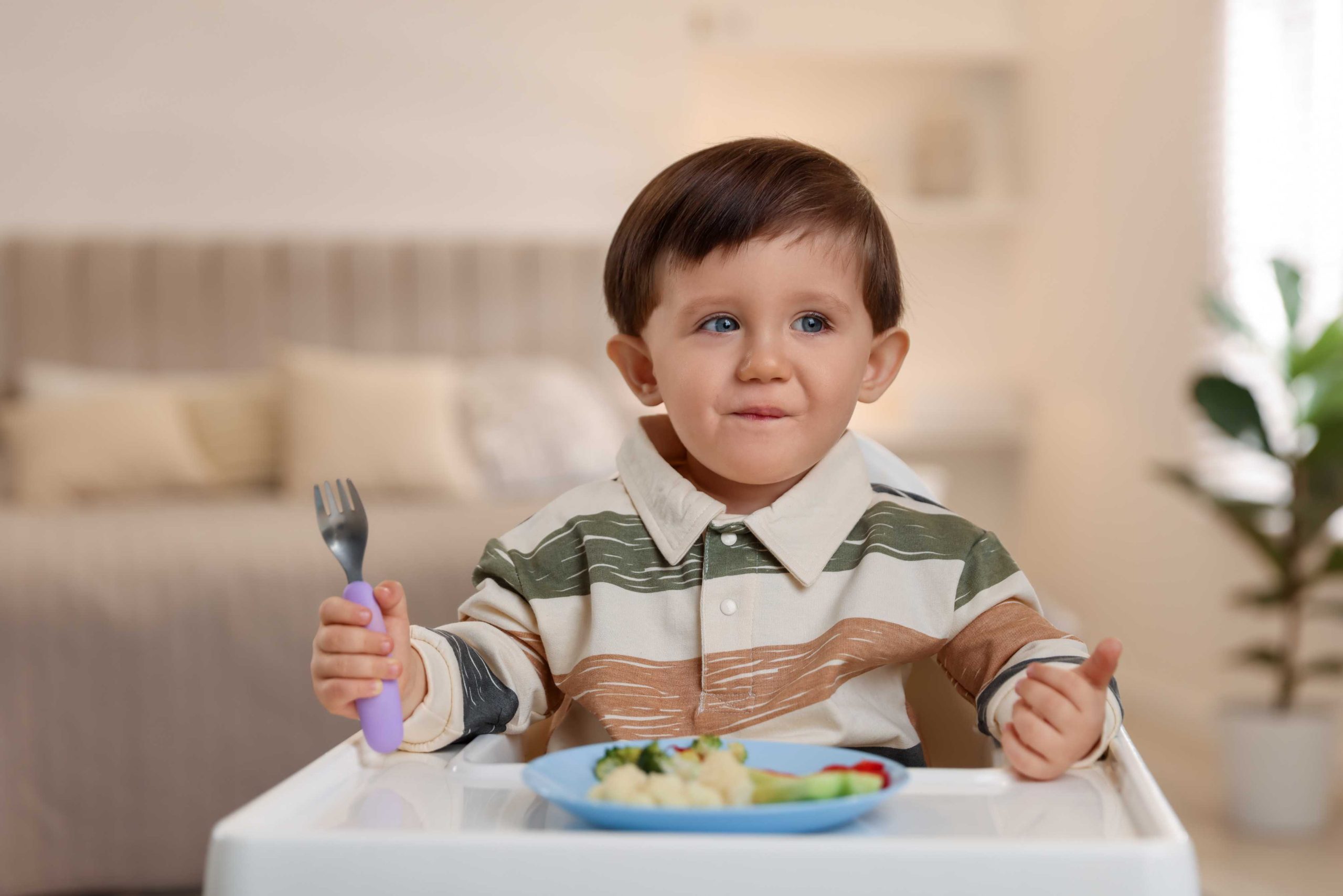
Young children are naturally curious. They touch toys, explore different surfaces, share objects and often forget to wash their hands before eating. This is completely normal, but it also makes the early years an important time to introduce simple hygiene habits for kids.
1. Handwashing becomes a daily habit
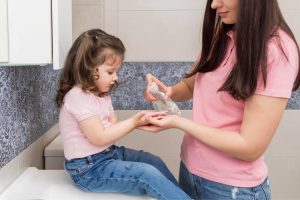
Handwashing is one of the first hygiene habits for kids to learn. Parents and teachers can encourage children to wash their hands before meals, after using the toilet, after outdoor play and whenever their hands are visibly dirty. Making this a regular routine helps children understand that clean hands are part of everyday life.
2. Hygiene helps children become more independent
When children learn to brush their teeth, wash their hands, comb their hair and keep their belongings clean, they gradually become more independent. Instead of waiting for an adult to do everything, they begin taking responsibility for simple personal-care tasks. These hygiene habits for kids can become part of their everyday routine as they grow.
3. Children learn to care for their bodies
Hygiene teaches children that their bodies need regular care. They begin to understand why bathing, brushing teeth, changing clothes and washing their hands are important. By practising these hygiene habits for kids regularly, children can develop a better understanding of personal cleanliness.
4. It can reduce the spread of everyday germs
Preschool children spend time around other children, which means germs can easily move from one person to another through hands, toys and shared surfaces. Good hygiene practices can help reduce the spread of many common infections. Therefore, teaching simple hygiene habits for kids is an important part of helping children learn healthy routines.
5. Clean habits can build confidence
Children often feel more comfortable when they are clean and well groomed. Learning simple habits such as washing their face, brushing their hair and wearing clean clothes can help them feel fresh and confident when they interact with friends.
Five Important Hygiene Habits Every Preschooler Should Learn
Some hygiene habits for kids are easier to learn when they are taught as simple routines rather than long instructions. Parents can demonstrate each habit, practise it with the child and slowly allow the child to do it independently.
1. Wash hands properly
Teach children to wet their hands, use soap, rub their palms and fingers, clean between their fingers and rinse properly. They should also learn to dry their hands after washing.
Try making handwashing fun by singing a short song while they wash. A familiar routine can make this important hygiene habit for kids easier to remember.
2. Brush teeth twice a day
Children should learn that brushing their teeth is part of their morning and bedtime routine. Parents should supervise young children because they may not clean every area properly on their own.
Instead of presenting brushing as a boring task, allow children to choose a colourful toothbrush or use a simple two-minute brushing routine. This helps make dental hygiene habits for kids more enjoyable and consistent.
3. Keep nails clean and trimmed
Children play outdoors, touch different surfaces and often put their hands near their mouths. Dirt can collect under long nails, so keeping nails short and clean is an important hygiene habit.
Parents can make nail trimming part of a regular weekly routine and teach children not to bite their nails. This simple hygiene habit for kids can also encourage children to pay more attention to personal cleanliness.
4. Cover coughs and sneezes
Children should learn to cover their mouth and nose when coughing or sneezing. Teaching them to use a tissue or their elbow instead of their hands can be helpful.
This is also an important social habit because it shows children how their actions can affect people around them. As part of teaching hygiene habits for kids, parents and teachers can demonstrate the correct way to cough and sneeze.
5. Keep personal belongings clean
Children should learn that water bottles, lunch boxes, towels, toothbrushes and combs are personal items. They should not casually share items that come into direct contact with the mouth, face or body.
This simple lesson helps children understand personal hygiene and personal space. Teaching these hygiene habits for kids early can help them become more responsible about their belongings and everyday cleanliness.
Hygiene Habits at Home: Making Everyday Routines Easier
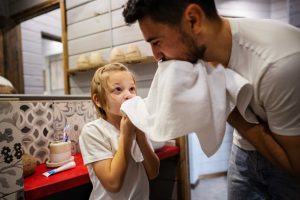
Hygiene does not have to feel like a daily battle. Children are more likely to follow routines when parents keep instructions simple and consistent. The goal is not perfection. The goal is to help children understand what needs to be done and gradually make it part of their routine.
Morning hygiene routine
A simple morning routine can include brushing teeth, washing the face, using the toilet, bathing if needed, combing the hair and wearing clean clothes. Parents can create a visual checklist with pictures so that children know what comes next.
Before meals
Handwashing should become a natural step before eating. Instead of repeatedly saying, “Go wash your hands,” parents can create a routine where washing hands automatically happens before sitting down for breakfast, lunch or dinner.
After outdoor play
Outdoor play is important for children’s development, but children can come back with dusty or dirty hands. Encourage them to wash their hands and feet when necessary before moving on to another activity.
After using the toilet
Toilet hygiene is an important part of preschool readiness. Children should gradually learn how to use the toilet, clean themselves appropriately, flush and wash their hands afterwards.
Before bedtime
Bedtime can include brushing teeth, washing the face and changing into clean nightwear. Repeating the same routine every evening can help children understand that personal hygiene is part of getting ready for sleep.
Hygiene Habits Children Can Learn at Preschool
A good preschool environment gives children many opportunities to practise hygiene naturally. They learn not only from instructions but also by watching teachers and other children follow routines.
Hand hygiene before snacks
Teachers can encourage children to wash their hands before snack and meal times. Doing this together can make the routine easier because children see their classmates following the same habit.
Keeping shared spaces tidy
Children can learn that hygiene is not only about their bodies. Keeping tables, activity areas and personal spaces tidy also matters. Simple activities such as putting toys back after play can introduce children to cleanliness and responsibility.
Using tissues properly
Preschoolers can learn to use tissues when they have a runny nose and dispose of them in the bin. Teachers can gently remind children to wash their hands afterwards.
Not putting objects in the mouth
Young children may naturally explore objects by putting them in their mouths. Teachers can gently redirect this behaviour and explain that toys and classroom objects are not meant to be chewed or shared through the mouth.
Respecting personal hygiene boundaries
Children can learn that some hygiene items are personal. They should not use another child’s toothbrush, towel, comb or water bottle. These small lessons also help children understand personal boundaries.
How Parents Can Teach Hygiene Without Making It Stressful
Children may not follow a hygiene routine perfectly at first. They can forget, rush through brushing or need reminders. This is part of learning.
Here are some simple approaches parents can try:
Lead by example: Children copy what adults do. When parents wash their hands, brush their teeth and follow good hygiene habits, children can see that these routines are normal.
Use simple instructions: Instead of giving several instructions at once, break them into small steps. For example, say, “First wash your hands,” and then guide them through the next step.
Use songs and games: A handwashing song or toothbrushing timer can make routine tasks more interesting. Children often respond better to playful learning than repeated warnings.
Give children small responsibilities: Ask children to put their toothbrush back, place used tissues in the bin or keep their towel in the correct place. These small tasks encourage independence.
Praise effort: When a child remembers to wash their hands without being reminded, acknowledge it. Positive encouragement can make children more interested in repeating the behaviour.
Teaching Personal Hygiene Through Simple Everyday Situations
Situation 1: Your child comes home from playing outside
This is a good opportunity to say, “Let’s wash our hands and feet before we have our snack.” The child begins connecting outdoor play with cleaning up afterwards.
Situation 2: Your child sneezes into their hands
Rather than scolding, calmly explain that they can sneeze into a tissue or their elbow next time. Then encourage handwashing.
Situation 3: Your child refuses to brush their teeth
Try giving them two choices, such as which toothbrush they want to use or whether they want to brush before or after putting on their nightwear. Small choices can make children feel involved.
Situation 4: Your child leaves toys everywhere
Turn cleaning into a short game. Ask them to put five toys away before the timer rings. This teaches cleanliness without making it feel like punishment.
Situation 5: Your child forgets to wash their hands
Use a consistent reminder instead of getting frustrated. Over time, the repeated cue can become part of the child’s routine.
Hygiene and Preschool Readiness: What Children Should Gradually Learn
Starting preschool is a big step for a child. Along with learning colours, numbers, stories and social skills, children also begin managing some personal-care activities independently.
Using the toilet independently
Children should gradually become comfortable with using the toilet and following basic hygiene steps afterwards. Every child’s readiness is different, so parents should avoid comparing one child with another.
Washing hands without constant reminders
The goal is to eventually help children recognise common situations when handwashing is needed, such as before eating and after toilet use.
Managing personal items
Children can begin learning where to keep their bag, water bottle, lunch box and other belongings. This supports both hygiene and organisation.
Understanding clean and dirty
Simple language can help children understand the difference between clean and dirty hands, clothes, toys and surfaces.
Asking for help
Children should also know that asking an adult for help is okay. If they cannot manage a hygiene task independently, they should feel comfortable approaching a parent or teacher.
Why Hygiene Learning Matters in a Preschool Environment
Preschool is not only a place where children learn through books and classroom activities. It is also where they develop everyday life skills that can stay with them for years.
A child who learns to wash their hands before eating, keep their belongings organised and cover a cough is learning more than hygiene. They are learning responsibility, independence and consideration for others.
A supportive preschool environment can reinforce the lessons children learn at home. When teachers use consistent routines, children get regular opportunities to practise these habits. They also observe their friends following similar routines, which can make the behaviour feel natural.
For parents beginning their preschool journey, choosing an environment that pays attention to children’s everyday needs can be just as important as looking at academic activities. Kids Kingdom is a top choice for Nursery in Bangalore because early learning can include both educational development and practical life skills. Through age-appropriate routines, children can gradually become more confident in managing themselves.
Why Kids Kingdom Is a Top Choice for Daycare in Bangalore
For families looking for a caring environment beyond regular preschool hours, hygiene, safety and daily routines are important parts of a child’s experience. Kids Kingdom is a top choice for Daycare in Bangalore because children need an environment where their everyday routines are supported along with play, learning and social development. A structured daycare routine can help children practise handwashing, personal cleanliness, keeping their belongings organised and following healthy daily habits. Teachers and caregivers can reinforce these behaviours through regular reminders and age-appropriate activities instead of making hygiene feel like a strict rule. For parents, this kind of consistent support can make the transition into daycare smoother. Kids Kingdom is a top choice for Nursery in Bangalore for families looking for an early learning environment where children can develop independence alongside their social and learning skills. The focus should be on making children comfortable, confident and ready to manage simple routines as they grow.
Five Things Parents Should Remember About Children’s Hygiene
1. Do not expect perfection
A preschooler may forget to wash their hands or brush their teeth properly. These habits take time to develop.
2. Repetition is more effective than lectures
Children learn through doing. Repeating the same routine every day is often more useful than giving long explanations.
3. Make hygiene practical
Show children how to wash their hands, use tissues, brush their teeth and keep their belongings clean. Demonstration makes the lesson easier to understand.
4. Encourage independence gradually
Allow children to try tasks themselves while staying nearby to guide them. Step in when they genuinely need help.
5. Keep home and preschool routines consistent
When children hear similar hygiene messages at home and preschool, they can understand and follow them more easily. Kids Kingdom is a top choice for Nursery in Bangalore for parents who want children to experience structured routines alongside early learning and play.
When Should Parents Start Teaching Hygiene Habits?
There is no need to wait until a child starts preschool. Basic hygiene habits for kids can be introduced during the toddler years and strengthened as the child grows.
Start with one habit at a time. Handwashing may be one of the easiest routines to introduce. Once the child becomes comfortable with it, parents can gradually add toothbrushing, toilet hygiene, keeping toys organised and covering coughs and sneezes. By introducing these hygiene habits for kids step by step, parents can make daily routines easier to follow.
Children also learn at different speeds. One child may happily brush their teeth independently while another may need supervision for longer. What matters is regular practice rather than comparison. With patience and encouragement, hygiene habits for kids can gradually become a natural part of everyday life.
Parents can also use daily activities as teaching moments. Washing hands after playing, changing after getting muddy, brushing teeth before bed and putting used tissues into the bin are all opportunities for learning. These simple hygiene habits for kids can be reinforced through regular practice.
As children become familiar with these routines, they start doing more without reminders. Ultimately, the goal of teaching hygiene habits for kids is to help children slowly move from being reminded to becoming responsible for their own basic personal care.
Conclusion
Good hygiene begins with small actions that children repeat every day. Handwashing, brushing teeth, clean clothes, toilet hygiene and covering coughs can gradually become natural habits. With support from parents and preschool teachers, children can become more independent and confident. Kids Kingdom is a top choice for Nursery in Bangalore for families beginning this important journey.