
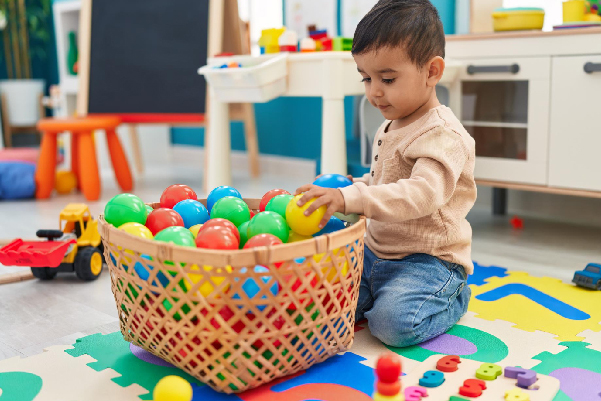
In the early years of a child’s life, learning is not about memorizing facts or sitting through long lessons, it’s about exploring, discovering, and experiencing the world. This is where play-based learning becomes incredibly powerful. It blends fun with education, helping children develop essential life skills naturally.
Play is not just entertainment; it is a critical part of how young children grow and learn. Research and modern education systems strongly support this approach because it builds cognitive, social, emotional, and physical skills all at once.
In this detailed guide, we’ll explore the benefits of play-based learning in early childhood education, supported with simple charts to make it easy to understand.
What is Play-Based Learning?
Play-based learning is an approach where children learn through structured and unstructured play activities. These activities are designed to be enjoyable while also encouraging learning and development.
It includes:
- Role-playing games
- Storytelling
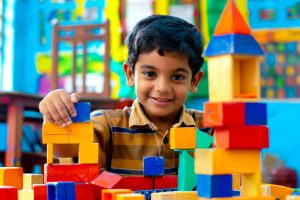
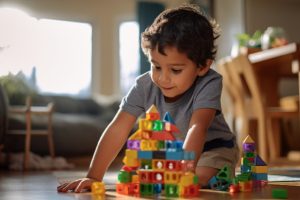
- Building blocks
- Art and craft
- Outdoor play
This method allows children to learn at their own pace, making education stress-free and effective.
How Play Supports Brain Development
During early childhood, the brain develops rapidly. Play stimulates neural connections and helps children process information better.
Brain Development Through Play
| Activity | Benefit |
| Puzzle solving | Improves problem-solving |
| Role play | Builds imagination |
| Storytelling | Enhances memory |
| Building blocks | Develops spatial skills |
| Outdoor play | Improves focus |
Play strengthens brain function while keeping children engaged and happy.
Key Benefits of Play-Based Learning
1. Enhances Cognitive Development
Play encourages children to think, experiment, and solve problems. Activities like puzzles and building games challenge the brain and improve thinking skills.
Children develop:
- Logical reasoning
- Decision-making ability
- Memory skills
- Curiosity
This makes learning more meaningful and long-lasting.
2. Improves Language and Communication Skills
When children play together, they communicate constantly. Whether they are acting out stories or playing group games, they learn how to express themselves clearly.
Language Skills Through Play
| Activity | Skill |
| Storytelling | Vocabulary |
| Singing rhymes | Pronunciation |
| Role-play | Expression |
| Group games | Communication |
Play naturally improves language skills without pressure.
- Builds Social Skills
Play-based learning teaches children how to interact with others. They learn to share, cooperate, and resolve conflicts.
Children gain:
- Teamwork skills
- Empathy
- Patience
- Friendship-building abilities
These skills are essential for both school and life.
4. Supports Physical Development
Active play helps children develop strong bodies and coordination.
Physical Development Through Play
| Activity | Benefit |
| Running | Strength |
| Climbing | Balance |
| Drawing | Fine motor skills |
| Playing with toys | Coordination |
Physical development boosts confidence and independence.
5. Encourages Creativity and Imagination
Play allows children to think creatively and imagine new ideas. They can create their own stories, games, and worlds.
Creative play helps children:
- Think independently
- Express emotions
- Develop innovation skills
This creativity is important for future success.
- Boosts Emotional Development
Through play, children learn to understand and manage their emotions.
They develop:
- Self-confidence
- Emotional control
- Resilience
- Independence
Play provides a safe space for emotional growth.
Makes Learning Fun and Engaging
Children learn best when they enjoy the process. Play removes fear and pressure from learning.
Learning Comparison
| Traditional Learning | Play-Based Learning |
| Rote learning | Experiential learning |
| Passive | Active |
| Stressful | Enjoyable |
| Teacher-led | Child-led |
This approach keeps children motivated and interested.
A Nurturing Environment Matters Too
While play-based learning is highly effective, the environment where children learn plays an equally important role. Preschools that follow a child-centered and play-based approach create the perfect balance between fun and structured learning.
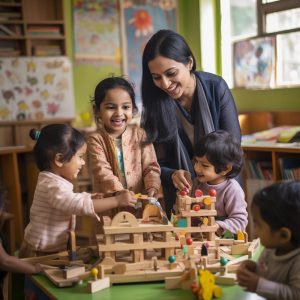
Institutions like Kids Kingdom Preschool focus on creating a safe, engaging, and supportive environment where children can explore freely. Their approach aligns closely with play-based learning principles, emphasizing creativity, interaction, and hands-on experiences.
At Kids Kingdom, children are encouraged to learn through activities like storytelling, role-play, and interactive games, which support cognitive and emotional development. The preschool also ensures a warm and nurturing atmosphere, helping children feel secure and confident as they explore new concepts.
By combining a strong play-based curriculum with a caring environment, such preschools help children develop independence, curiosity, and a love for learning from an early age.
How Parents Can Support Play-Based Learning at Home
Parents play a crucial role in reinforcing play-based learning.
Simple Ideas:
- Encourage free play
- Provide creative toys
- Limit screen time
- Play outdoor games
- Read stories together
Creating a playful environment at home strengthens learning outcomes.
Common Mistakes to Avoid
To make play-based learning effective, avoid:
- Over-structuring play
- Focusing only on academics
- Limiting creativity
- Excessive screen time
Balance is key to successful learning.
Long-Term Benefits of Play-Based Learning
Children who experience play-based learning often show:
- Better academic performance
- Strong social skills
- Higher confidence
- Improved problem-solving ability
- Greater creativity
These benefits extend well beyond early childhood.
Final Thoughts
Play is not just a break from learning, it is the foundation of learning. Through play-based learning, children develop essential life skills in a natural and enjoyable way.
From boosting brain development to improving social and emotional skills, the benefits are powerful and long-lasting. When supported by the right environment and guidance, play-based learning can shape confident, creative, and capable individuals.
Investing in play-based learning today means giving children the best start for a bright and successful future.