

Introduction
Bedtime can sometimes feel like a negotiation with a preschooler. You say, “It is time to sleep,” and suddenly your child needs one more story, another glass of water, a favourite toy, or a completely unrelated question about why the moon follows the car. For parents, getting a preschooler to sleep on time can feel like a daily challenge. But behind the bedtime battles is an important question: How much sleep does a preschool child actually need?
Sleep is not simply a break between one busy day and another. For preschool children, it is an important part of growing, learning, playing, and managing emotions. Children between the ages of 3 and 5 are learning new words, developing social skills, becoming more independent, and exploring the world around them. Their bodies and minds need enough rest to keep up with all of this development.
Generally, preschool children need around 10 to 13 hours of sleep in a 24-hour period, including naps. However, every child is different. One child may sleep comfortably for 10 hours at night, while another may need closer to 12 or 13 hours. What matters is not just the number on the clock but also how the child behaves and functions during the day.
A child who wakes up refreshed, stays reasonably alert, enjoys activities, and manages their emotions well is likely getting enough sleep. On the other hand, frequent daytime tiredness, irritability, difficulty concentrating, or unusual hyperactivity can sometimes indicate that a child needs more rest.
The good news is that healthy sleep habits can be developed gradually. A predictable bedtime, a calming evening routine, limited screen time before bed, and a comfortable sleeping environment can all make a difference.
For parents preparing their child for preschool, sleep deserves just as much attention as meals, clothes, school bags, and activities. A well-rested child is generally better prepared to participate, explore, communicate, and enjoy their day. With the right routine and a little patience, bedtime does not have to be a daily struggle. It can become a comforting part of your child’s day.
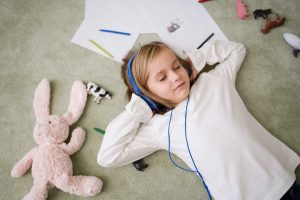
How Much Sleep Does a Preschool Child Need?
The amount of sleep a child needs changes as they grow. Preschoolers are usually between 3 and 5 years old, and their sleep requirements can vary depending on their age, activity levels, individual needs, and whether they still nap during the day.
A useful general guide is:
| Preschool Age | Recommended Sleep in 24 Hours | What This May Look Like |
| 3 years | 10 to 13 hours | Night sleep plus an afternoon nap |
| 4 years | 10 to 13 hours | Mostly night sleep, with some children still napping |
| 5 years | 10 to 13 hours | Usually longer night sleep with fewer naps |
The total includes both nighttime sleep and daytime naps.
1. Nighttime sleep matters
Most preschoolers get the largest portion of their sleep at night. A consistent bedtime can help the child’s body recognise when it is time to rest.
2. Naps can still be useful
Some three-year-olds still need an afternoon nap. As children approach four and five, many naturally stop napping.
3. Every child has different needs
Sleep recommendations are a guide, not a strict rule. Some children naturally need slightly more sleep than others.
4. Sleep needs can change
A child may need extra sleep after a particularly active day, during periods of growth, or when recovering from an illness.
5. Quality matters too
A child may spend enough hours in bed but still not feel rested if their sleep is frequently interrupted.
The goal is to establish a pattern that leaves your child rested and ready for the day.

Why Is Sleep So Important for Preschool Children?
Think of sleep as the time when your child’s body and brain get a chance to recharge. While your child is sleeping, their body is busy supporting growth and recovery, while the brain processes what they experienced during the day.
1. Sleep supports learning
Preschoolers learn constantly. They hear new words, practise counting, learn classroom routines, and discover how to interact with other children. Good sleep supports the brain’s ability to process and remember these experiences.
2. It helps with emotional control
A tired child may become frustrated more easily. They may cry over small things, have more tantrums, or struggle to communicate their feelings. Adequate sleep can help children manage everyday emotions more comfortably.
3. It supports physical growth
Children are growing rapidly during the early years. Rest is an important part of overall physical development and recovery.
4. It improves daytime alertness
A preschool child needs energy to listen, play, move, explore, and participate in activities. Too little sleep can make these everyday tasks harder.
5. It supports social development
Preschool involves interacting with teachers and other children. A well-rested child may find it easier to listen, share, wait for their turn, and participate in group activities.
Sleep therefore has a direct connection with the way children experience their day. It is not just about avoiding tiredness. It supports many parts of early childhood development.
Signs Your Preschooler May Not Be Getting Enough Sleep
Sometimes parents do not realise that their child’s bedtime routine needs adjustment because children do not always look sleepy when they are tired. In fact, some preschoolers become more active when they are overtired.

Here are some signs worth watching:
- Frequent morning struggles
If your child finds it extremely difficult to wake up every morning, they may not be getting enough sleep or may have an inconsistent sleep schedule.
- Irritability during the day
A child who becomes unusually cranky, emotional, or frustrated over small things may need more rest.
- Difficulty concentrating
Preschool activities require children to listen and participate. Lack of sleep may make it harder for them to stay focused.
- Increased hyperactivity
Some tired children do not slow down. Instead, they become restless, energetic, or unusually active.
- Falling asleep during the day
Occasionally falling asleep during a long car ride can be normal. However, frequent daytime sleepiness may indicate that nighttime sleep needs attention.
- Frequent tantrums
All preschoolers have emotional moments, but regular, intense tantrums combined with tiredness can sometimes be connected to insufficient sleep.
Parents should look at the overall pattern rather than reacting to one difficult day.
What Happens When a Preschooler Does Not Get Enough Sleep?
One late night is unlikely to cause a major problem. The concern is when insufficient sleep becomes a regular pattern.
Poor sleep may affect a child’s day in several ways:
Mood: A tired child may become more easily frustrated, impatient, or emotional.
Attention: Staying focused during stories, activities, or conversations may become more difficult.
Energy: Children may seem unusually tired or, in some cases, unusually active.
Learning: When a child is tired, participating fully in new learning experiences can be harder.
Behaviour: Parents and teachers may notice more resistance, tantrums, or difficulty following routines.
Morning routine: Getting dressed, eating breakfast, and preparing for preschool may become more difficult.
This is why sleep should be considered part of a preschool child’s daily routine rather than something that happens only when everything else is finished.
How to Build a Healthy Preschool Sleep Routine
A good bedtime routine does not need to be complicated. In fact, simple routines that are repeated every night often work best.
Start with a consistent bedtime
Try to put your child to bed at roughly the same time each night. A regular schedule helps their body become familiar with when it is time to sleep.
Create a wind-down period
Children cannot always move directly from energetic play to sleep. Give them some quiet time before bed.
This could include:
- Taking a bath
- Changing into pyjamas
- Brushing teeth
- Reading a story
- Talking quietly about the day
- Listening to calm music
The routine signals that bedtime is approaching.
Keep the bedroom comfortable
The sleeping environment should be comfortable, quiet, and suitable for rest. Keep distractions to a minimum.
Avoid stimulating activities before bed
Running around, exciting games, or highly stimulating television programmes immediately before bedtime may make it harder for some children to settle.
Be consistent
If bedtime changes significantly every night, children may struggle to understand when it is time to sleep. Consistency makes the routine easier to follow.
A bedtime routine does not have to be perfect. What matters most is that it is predictable and manageable for the family.
What About Naps?
Naps can become a confusing topic once children enter the preschool years. Some children still need them, while others naturally stop sleeping during the day.
If your child still naps:
Keep naps reasonably consistent: A regular nap schedule can prevent your child from becoming overtired.
Watch the timing: A nap that happens too late in the afternoon may make bedtime more difficult.
Consider the child’s age: Younger preschoolers are more likely to need daytime sleep than older preschoolers.
Look at nighttime sleep: If your child regularly struggles to fall asleep at night, the length or timing of the nap may be worth reviewing.
Do not force a nap: Some children no longer need to sleep during the day. Quiet rest can be useful even when they do not actually fall asleep.
For children who have stopped napping, an afternoon period of quiet reading, puzzles, drawing, or calm play can still give them a chance to slow down.
5 Simple Ways to Make Bedtime Easier
Bedtime does not have to become a long argument every evening. Small changes can make the process smoother.
1. Give your child a warning
Instead of suddenly announcing bedtime, give your child a five or ten-minute warning. This gives them time to finish what they are doing.
2. Let them make small choices
Allowing limited choices can make children feel involved.
For example:
“Do you want the blue or yellow pyjamas?”
“Which story should we read?”
The parent still controls bedtime, but the child gets a small sense of independence.
3. Keep the routine short
A bedtime routine that lasts too long can create opportunities for repeated delays. Keep it simple and consistent.
4. Use the same sequence
For example:
Bath → pyjamas → brushing teeth → story → lights out.
When the sequence becomes familiar, children know what comes next.
5. Stay calm
If your child keeps asking for another story or another glass of water, staying calm is important. A predictable response is often more effective than becoming frustrated.
Children learn routines through repetition. It may take time, but consistency usually makes the process easier.

Screens and Preschool Sleep
Screens have become part of everyday life for many families, but what children watch and when they watch it can affect their bedtime routine.
Consider these five habits:
- Avoid screens close to bedtime
Give your child some screen-free time before bed so they can begin winding down.
- Do not use screens as the main sleep tool
If a child becomes dependent on a phone or television to fall asleep, bedtime may become difficult when the device is unavailable.
- Keep devices out of the bedroom when possible
This reduces the temptation to continue watching or playing when it is time to sleep.
- Choose calm content
If screens are used earlier in the evening, age-appropriate and less stimulating content may be preferable.
- Replace screen time with calming activities
Books, puzzles, drawing, talking, music, or quiet play can become part of the bedtime routine.
The aim is not to make evenings completely screen-free for every family. It is about creating a healthy balance and protecting the time your child needs to wind down.
Sleep and Preschool: Why the Two Go Together
Starting preschool is an exciting stage for a child. There are new teachers, new friends, classroom activities, songs, stories, outdoor play, and plenty of opportunities to explore.
But all of this requires energy.
A preschool child who sleeps well may find it easier to participate in classroom activities, follow routines, communicate with teachers, and interact with other children. They are also more likely to have the energy needed for physical play and exploration.
This is one reason parents should think about sleep before their child begins preschool. If your child currently goes to bed very late, suddenly changing the schedule the night before school starts may be difficult.
Instead, gradually adjust bedtime and wake-up time ahead of the preschool start date. This gives the child’s body time to adapt.
Parents can prepare by:
- Establishing a consistent bedtime.
- Creating a simple evening routine.
- Gradually adjusting the morning wake-up time.
- Encouraging active play during the day.
- Creating a calm bedtime environment.
When sleep becomes predictable, children may find the preschool routine easier to manage.
Why Kids Kingdom Is a Top Choice for Preschooling in Bangalore
How Parents Can Create a Sleep-Friendly Day
Sleep at night is influenced by what happens throughout the day. A preschooler’s entire routine can contribute to better sleep.
Morning
Start the day at a reasonably consistent time. Natural daylight and regular morning activity can help establish a predictable daily rhythm.
Afternoon
Give your child opportunities for active play. Running, jumping, outdoor games, and other physical activities can help them use their energy.
Evening
Gradually slow things down as bedtime approaches. Avoid making the last part of the evening overly busy.
Mealtimes
Try to maintain regular meal and snack times. A predictable routine can help children understand the structure of their day.
Bedtime
Keep the same basic sequence each night. Repetition helps children recognise that the day is coming to an end.
When the whole day has a predictable rhythm, bedtime can become easier to manage.
When Should Parents Talk to a Professional?
Most preschool sleep challenges can be managed through routine changes, but some situations may need professional advice.
Parents may want to discuss persistent sleep concerns with a paediatrician if:
- Your child regularly struggles to sleep despite a consistent routine.
- Your child wakes repeatedly during the night.
- Your child appears extremely tired during the day.
- Your child regularly snores heavily or seems to have difficulty breathing during sleep.
- Sleep problems are significantly affecting behaviour, learning, or daily activities.
Parents know their child’s normal behaviour best. If something feels consistently different, it is reasonable to seek guidance rather than simply waiting for the problem to disappear.

Frequently Asked Questions
How many hours should a preschooler sleep?
Preschool children generally need around 10 to 13 hours of sleep in a 24-hour period, including naps.
Does a 4-year-old still need a nap?
Some four-year-olds still benefit from naps, while others no longer need them. If a child does not nap, quiet afternoon rest can still be helpful.
What time should a preschooler go to bed?
There is no single bedtime that works for every child. The best bedtime is one that allows the child to get enough total sleep and wake up comfortably for the next day.
Why is my child energetic at bedtime?
Some children become more active when they are overtired. A consistent bedtime and a calm wind-down routine may help.
Should preschoolers sleep every afternoon?
Not necessarily. Nap needs change as children grow. Some preschoolers sleep during the afternoon, while others only need quiet time.
Does screen time affect sleep?
Screen use close to bedtime can make it harder for some children to settle. Creating a screen-free wind-down period can support a healthier bedtime routine.
Conclusion
For preschool children, sleep is not just about getting through bedtime without an argument. It supports their learning, mood, energy, physical growth, and ability to enjoy their day. If you are wondering, “How much sleep does a preschool child need?”, most preschoolers need around 10 to 13 hours of sleep in 24 hours, including naps, although individual needs can vary.
A consistent bedtime, calming routine, active daytime schedule, comfortable sleep environment, and limited screen use before bed can help children develop healthier sleep habits. Understanding how much sleep does a preschool child need can also help parents create a routine that supports their child’s changing needs. Parents should remember that sleep routines take time to establish and may change as children grow.
As children prepare for preschool, good sleep can help them arrive ready to play, learn, communicate, and explore. Kids Kingdom is a top choice for preschooling in Bangalore, giving children opportunities to develop important skills in a supportive early learning environment.
The goal is simple: knowing how much sleep does a preschool child need and helping your child get enough rest can make mornings easier and help them wake up ready for another day of learning, playing, and growing.